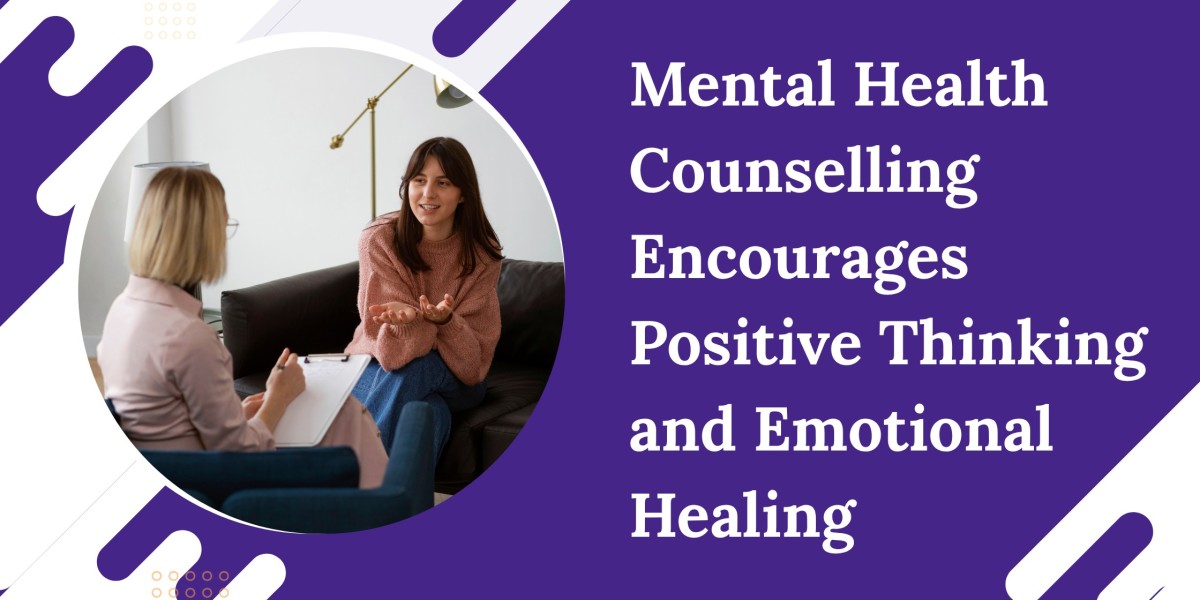

Mental health is a vital part of overall wellbeing, influencing how we think, feel, and respond to life's challenges. While everyone experiences stress, sadness, or anxiety from time to time, ongoing emotional struggles can affect relationships, work performance, physical health, and quality of life. Fortunately, mental health counselling offers professional support that helps individuals develop healthier thought patterns, improve emotional resilience, and begin the journey toward healing.
Today, mental health counselling is increasingly recognized as a proactive way to improve emotional wellbeing. It is not only designed to address mental health concerns but also to promote personal growth, self-awareness, and long-term emotional balance.
Understanding Mental Health Counselling
Mental health counselling is a collaborative process between a trained counsellor and an individual seeking support for emotional or psychological challenges. Through confidential conversations and evidence-based therapeutic techniques, counsellors help clients understand their emotions, identify unhelpful thinking patterns, and develop healthier ways of coping with life's difficulties.
People seek counselling for various reasons, including:
Stress and burnout
Anxiety
Depression
Relationship issues
Grief and loss
Workplace challenges
Low self-esteem
Major life transitions
Every counselling journey is personalized, ensuring that support is tailored to the individual's unique needs and goals.
The Power of Positive Thinking
Positive thinking does not mean ignoring problems or pretending everything is perfect. Instead, it involves developing a balanced mindset that allows individuals to approach challenges with hope, confidence, and resilience.
Mental health counselling encourages positive thinking by helping individuals:
Recognize negative thought patterns
Replace self-defeating beliefs with constructive perspectives
Focus on realistic solutions
Build confidence through achievable goals
Appreciate personal strengths and progress
Over time, these positive changes contribute to improved emotional wellbeing and greater life satisfaction.
Creating a Safe Space for Emotional Healing
One of the most valuable aspects of counselling is providing a safe, confidential, and non-judgmental environment. Many people hesitate to share their personal struggles with friends or family because they fear criticism or misunderstanding.
Professional counsellors create an atmosphere where individuals can openly discuss their thoughts, emotions, and experiences. Feeling heard and understood is often the first step toward emotional healing and recovery.
Understanding Emotional Challenges
Emotional difficulties can arise from many life experiences, including:
Family conflict
Relationship breakdowns
Financial pressures
Workplace stress
Loss of a loved one
Trauma
Academic challenges
Significant life changes
Counselling helps individuals process these experiences in healthy ways, reducing emotional distress and promoting long-term recovery.
Developing Healthy Coping Strategies
Life will always present challenges, but counselling equips individuals with practical skills to manage difficult situations more effectively.
Common coping techniques taught during counselling include:
Deep breathing exercises
Mindfulness practices
Relaxation techniques
Emotional regulation strategies
Problem-solving skills
Stress management methods
These techniques help individuals remain calm, focused, and emotionally balanced even during stressful situations.
Building Emotional Resilience
Emotional resilience is the ability to recover from setbacks and adapt to life's challenges. Counselling helps individuals strengthen resilience by encouraging healthy habits, positive thinking, and self-awareness.
As resilience grows, individuals become better prepared to:
Manage stress
Handle unexpected life changes
Overcome disappointments
Maintain emotional stability
Build confidence in difficult situations
These skills contribute to long-term emotional wellbeing and personal growth.
Strengthening Relationships
Healthy relationships play an important role in mental health. Emotional struggles can sometimes affect communication, trust, and conflict resolution.
Mental health counselling helps individuals improve interpersonal relationships by teaching them to:
Express emotions openly
Communicate respectfully
Set healthy boundaries
Resolve conflicts constructively
Develop empathy and understanding
Improved relationships often lead to greater emotional support and increased overall happiness.
Supporting Physical Wellbeing
Mental and physical health are closely connected. Prolonged emotional stress can contribute to physical symptoms such as:
Fatigue
Headaches
Muscle tension
Sleep disturbances
Digestive discomfort
As emotional wellbeing improves through counselling, many individuals also notice better sleep quality, increased energy levels, improved concentration, and enhanced overall health.
Encouraging Long-Term Personal Growth
Mental health counselling is not only about resolving current concerns but also about helping individuals become stronger, more self-aware, and emotionally healthier.
Long-term benefits often include:
Increased self-confidence
Better decision-making
Greater emotional awareness
Healthier coping mechanisms
Improved stress management
Enhanced quality of life
These positive outcomes continue to support individuals long after counselling sessions have ended.
Reducing the Stigma Around Mental Health
As awareness of mental health continues to grow, more people understand that seeking counselling is a sign of strength rather than weakness. Prioritizing emotional wellbeing is just as important as caring for physical health.
Seeking support early allows individuals to address emotional concerns before they become more severe and helps build a strong foundation for lifelong mental wellness.
Conclusion
Mental health counselling plays a vital role in encouraging positive thinking and emotional healing. Through compassionate guidance, evidence-based techniques, and a supportive environment, counselling helps individuals better understand themselves, overcome emotional challenges, and develop healthier ways of thinking and living.
Whether facing stress, anxiety, relationship difficulties, grief, or personal challenges, professional counselling provides valuable tools for lasting emotional wellbeing. Investing in mental health today empowers individuals to build resilience, strengthen relationships, and create a healthier, more balanced future.