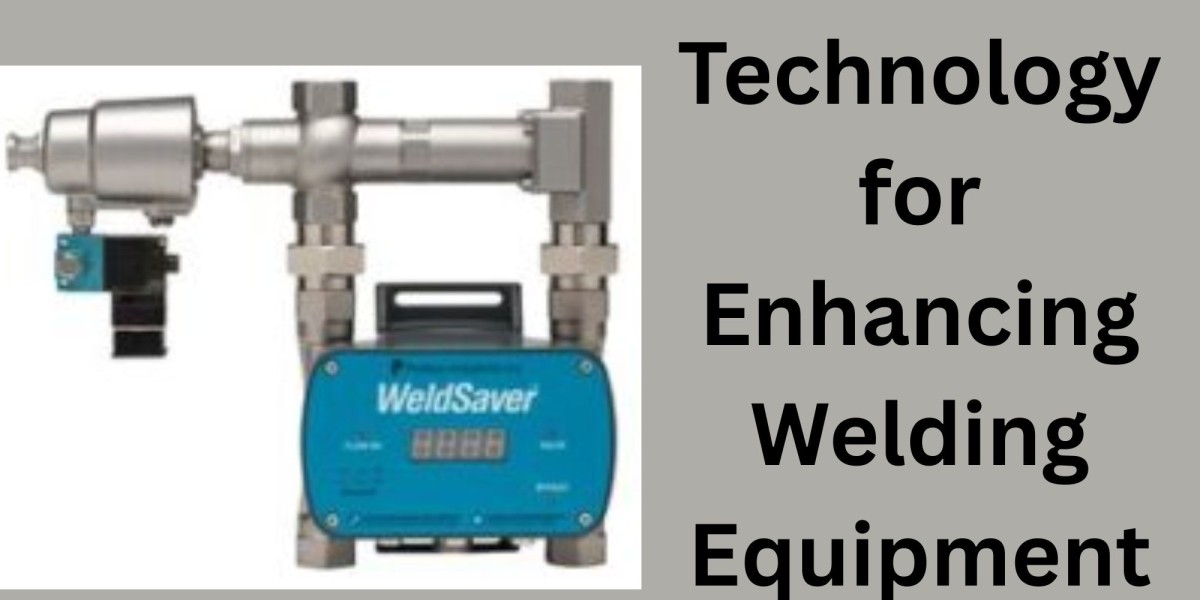

Cooling is a fundamental requirement in resistance welding systems, as high electrical currents generate significant heat at weld points. Without effective cooling, components such as electrodes, secondary cables, transformers, and contact arms can experience rapid temperature increases. Excessive heat reduces weld consistency, accelerates component wear, and increases the likelihood of equipment failure.
In industrial welding environments, weldsaver technology plays an essential role in maintaining proper cooling conditions. Continuous monitoring of coolant flow and temperature helps ensure that heat is removed efficiently from critical components. This consistent cooling support protects equipment performance and contributes to stable welding operations over extended production cycles.
1. Understanding Weldsaver Technology
Weldsaver technology is designed to monitor and protect cooling circuits used in resistance welding applications. These systems measure key parameters, including water flow rate, temperature changes, and pressure levels, within cooling lines. Their primary function is to ensure that coolant circulation remains within safe operating limits at all times.
When irregular conditions are detected, weldsaver systems can trigger alarms or stop the welding process automatically. This immediate response prevents overheating-related damage and allows maintenance teams to address cooling issues before they escalate into major equipment failures.
2. Preventing Overheating and Equipment Damage
Overheating is one of the most common causes of breakdowns in welding equipment. Blocked cooling lines, reduced water pressure, or unnoticed leaks can quickly raise temperatures to damaging levels. When left unchecked, overheating can compromise insulation materials, deform electrodes, and reduce electrical efficiency.
By providing real-time monitoring, weldsaver devices help detect cooling problems at an early stage. This proactive approach allows operators to intervene before damage occurs, protecting critical components and reducing the risk of costly repairs or system replacements.
3. Improving Welding Consistency and Output Quality
Consistent cooling directly impacts the quality of resistance welds. Temperature fluctuations can lead to uneven weld nuggets, inconsistent penetration, and weak joints. These issues often lead to higher scrap rates, rework, and quality control challenges.
Weldsaver technology supports stable welding conditions by maintaining reliable coolant flow throughout the welding process. This stability allows manufacturers to achieve uniform weld quality across production runs, improving product reliability and meeting strict quality standards.
4. Extending the Lifespan of Welding Components
Repeated exposure to excessive heat shortens the lifespan of welding components. Electrodes, cables, and connectors subjected to thermal stress deteriorate faster, requiring frequent replacement. This not only increases maintenance costs but also disrupts production schedules.
By ensuring controlled cooling, weldsaver systems reduce thermal stress on equipment. Components operate within safe temperature ranges, helping extend their service life and improving overall equipment longevity.
5. Reducing Downtime and Maintenance Costs
Unplanned downtime can significantly impact manufacturing efficiency and profitability. Cooling system failures are a leading cause of unexpected shutdowns in welding equipment, often requiring immediate maintenance intervention.
Weldsaver systems help minimize downtime by identifying cooling issues early and enabling scheduled maintenance. This predictive approach reduces emergency repairs, lowers labor costs, and keeps production lines running more efficiently.
6. Enhancing Safety in Welding Operations
Overheated welding equipment poses safety risks, including electrical hazards, coolant leaks, and component failure. These risks can endanger operators and compromise workplace safety compliance.
Weldsaver technology enhances operational safety by continuously monitoring cooling performance and responding automatically to unsafe conditions. Alerts and shutdown mechanisms help prevent accidents, creating a safer, more controlled welding environment.
7. Importance of Weldsaver Systems in Modern Manufacturing
As manufacturing processes become more automated and production demands increase, equipment reliability has become a top priority. Weldsaver systems are now widely recognized as essential components in modern resistance welding operations.
By improving cooling control, protecting equipment, and supporting consistent output, weldsaver technology contributes to long-term operational stability. Its role in enhancing the performance of welding equipment makes it a valuable investment for manufacturers seeking efficiency, safety, and reliability.