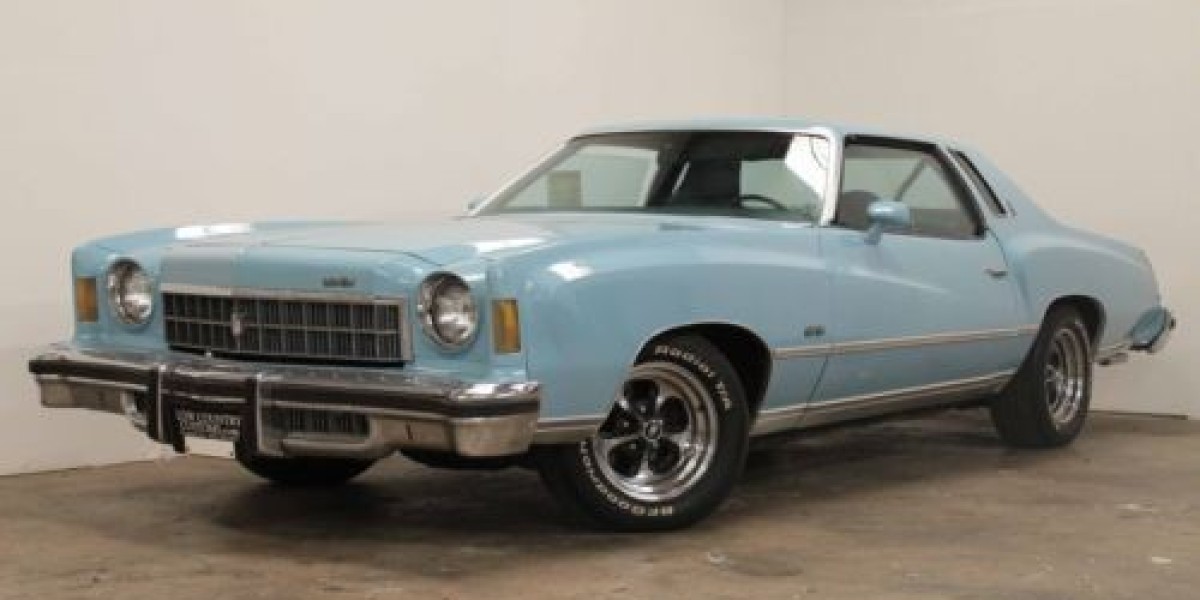

Old cars often sit unused in driveways, garages, or backyards. Many owners keep them with the idea of fixing them one day or passing them on later. Over time, these vehicles deteriorate into rusted shells that occupy space and cause daily problems. Selling an old car is a better choice than letting it decay. This decision helps households, local areas, and the environment while reducing long-term problems.
This article explains why unused vehicles should not be left to rust and what really happens when an old car stays parked for years without care.
The Reality of Letting an Old Car Sit Unused
When a car stops running, it does not stay the same. Time changes it in ways many people do not expect.
Rust Never Stops Growing
Rust forms when metal meets moisture and air. In Australia, changing weather speeds up this process. Even vehicles kept under shade still face moisture from rain and humidity. Once rust begins, it spreads across panels, frames, and internal parts.
Rust weakens the body and makes future handling risky. A car that sits for years often becomes unsafe to move without damage.
Fluids Break Down and Leak
Cars contain oil, coolant, brake fluid, and fuel. When a vehicle remains unused, these fluids degrade. Rubber seals dry out and crack. Leaks begin slowly and worsen over time.
Oil and fuel leaks can soak into soil or concrete. This creates stains and possible contamination in home spaces.
How Rusted Cars Affect Daily Life at Home
An old vehicle may feel harmless, but it often causes everyday problems.
Loss of Usable Space
Garages fill up fast when an unused car stays parked inside. Driveways become blocked. Backyards lose open space. Many families lose storage areas because a broken vehicle sits untouched.
Selling the car clears space that can be used for storage, parking, or outdoor activities.
Increased Safety Risks
Sharp, rusted edges can cause injury. Children and pets may climb on unused vehicles. Broken glass, loose panels, and unstable parts create hazards around the home.
A car that collapses or shifts during movement can cause damage or injury.
Environmental Impact of Abandoned Vehicles
Old cars left to rust do not disappear without consequences.
Soil and Water Pollution
Leaking fluids seep into the ground. Oil and coolant can damage soil quality. During rain, these substances may flow into drains and waterways.
Vehicle fluids contain chemicals that harm plant life and local ecosystems.
Wasted Recyclable Materials
Cars contain steel, aluminium, copper, and other materials that can be reused. Leaving a vehicle unused wastes these resources.
Recycling metal uses less energy than producing new materials from raw sources. A single car can supply hundreds of kilograms of reusable metal.
Why Selling an Old Car Makes Practical Sense
Selling an unused vehicle solves many problems at once.
Stops Ongoing Deterioration
Once sold, the car stops rusting. It moves into a controlled process where usable parts and materials are handled properly.
This prevents further damage to property and the surrounding areas.
Supports Recycling Processes
Most old vehicles are dismantled. Parts that still work are reused. Metals are separated and processed for reuse.
According to industry data, more than 80 per cent of a vehicle by weight can be reused or recycled. This reduces landfill pressure and raw material demand.
Legal and Council Issues Linked to Unused Cars
Local councils in South Australia have rules about abandoned and unregistered vehicles.
Risk of Fines or Notices
A car left on public land or visible from the street may attract council attention. Notices can be issued if a vehicle appears unsafe or abandoned.
Selling the vehicle removes this risk and avoids future disputes.
Fire and Health Concerns
Unused cars can become storage spots for flammable materials. Dry leaves, leaked fuel, and damaged wiring increase fire risk.
Standing water inside vehicles can attract insects, including mosquitoes.
The Emotional Side of Letting Go
Many people hold onto old cars due to memories or plans that never happen.
Project Cars That Never Begin
Some vehicles are kept with the idea of repair or restoration. Years pass, and the car remains untouched. Costs increase as rust spreads.
Selling early avoids rising repair costs and disappointment.
Peace of Mind
Removing an unused car brings relief. The space clears. Worries about leaks, fines, or safety fade. Households often feel lighter once the vehicle is gone.
A Practical Path for Adelaide Vehicle Owners
For many Adelaide residents, selling an unused vehicle becomes part of responsible household management. This choice supports recycling while clearing clutter from living spaces.
One local option that fits into this process is old car removal Adelaide, which helps move unused vehicles into proper dismantling and recycling paths. When cars leave residential areas and enter recycling yards, materials can be recovered while homes regain space and safety. This approach aligns with waste reduction goals across Adelaide suburbs.
What Happens After an Old Car Is Sold
Understanding the next steps often reassures owners.
Inspection and Dismantling
Vehicles are checked for reusable parts. Engines, panels, batteries, and tyres may be separated.
Material Separation
Steel and aluminium are sorted. Plastics and glass are removed. Fluids are drained under controlled conditions.
Recycling and Reuse
Metals are sent for processing. Parts that still function enter reuse channels. Little goes to landfill when handled correctly.
Common Reasons People Delay Selling Old Cars
Despite the clear reasons, many owners still wait.
Overestimating Future Use
People believe they will repair the car later. In most cases, time passes without action.
Underestimating Damage
Rust and internal damage are often worse than they appear. Delaying only increases deterioration.
Recognising these patterns helps owners make timely choices.
Making a Responsible Choice for the Future
Selling an old car supports cleaner homes and cleaner communities. It reduces waste, limits pollution, and recovers useful materials.
Australia produces millions of end-of-life vehicles each year. Proper handling of these vehicles plays a role in environmental care and local safety.
Letting a car rust away brings no long-term gain. Selling it creates space, reduces risk, and supports recycling efforts that matter to everyday life.
Conclusion
An unused car may seem harmless, but time turns it into a source of waste, clutter, and risk. Rust spreads, fluids leak, and valuable materials go unused. Selling an old vehicle prevents these problems and supports responsible recycling practices.
For Adelaide households, making this choice helps create safer homes, cleaner spaces, and a better use of resources. Choosing action over delay is the practical step forward.