
Construction companies depend on accurate, real-time information to manage equipment across multiple job sites. Knowing where machines are located is important, but location alone doesn't provide the complete picture. Managers also need insights into equipment usage, engine health, fuel consumption, idle time, maintenance needs, and operator activity.
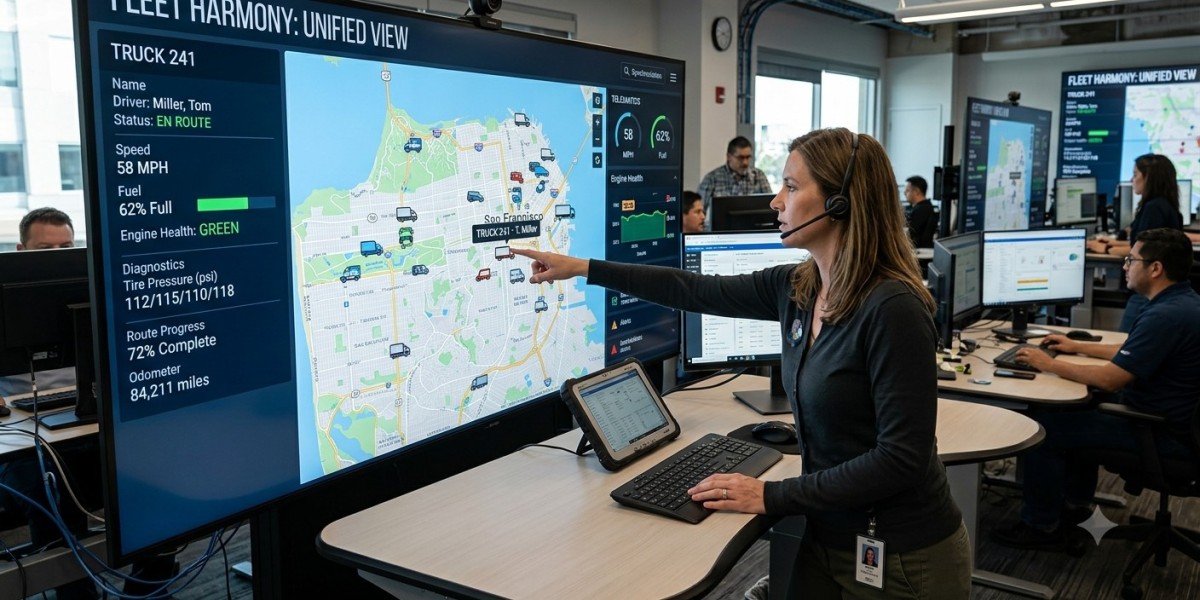
This is why many contractors are integrating GPS tracking and telematics into one centralized platform. Clue’s construction equipment tracking software combines location data with machine performance metrics, giving businesses a comprehensive view of every asset from a single dashboard. The result is greater visibility, improved operational efficiency, and faster decision-making.
Understanding GPS and Telematics
Although GPS tracking and telematics often work together, they serve different purposes.
GPS tracking focuses primarily on location by showing where equipment is in real time. It helps contractors monitor movement, dispatch machinery, and recover stolen assets.
Telematics, on the other hand, collects operational data directly from equipment, including:
Engine hours
Fuel consumption
Idle time
Machine diagnostics
Fault codes
Battery status
Operating temperatures
Equipment utilization
When both technologies are integrated, contractors gain complete visibility into both equipment location and performance.
Why a Single Dashboard Matters
Construction companies frequently use different systems for fleet tracking, maintenance, inspections, and equipment management. Switching between multiple platforms slows decision-making and creates information gaps.
Construction equipment tracking software eliminates these silos by bringing all critical information together.
A centralized dashboard allows users to view:
Equipment locations
Machine health
Maintenance alerts
Utilization reports
Fuel usage
Inspection status
Service history
Having one source of accurate information improves coordination across operations, maintenance, and project management teams.
Real-Time Equipment Visibility
One of the biggest advantages of integrating GPS and telematics is the ability to monitor equipment in real time.
Managers can instantly determine:
Current Equipment Location
Knowing exactly where machines are located helps reduce delays when moving equipment between job sites.
Operating Status
The software shows whether equipment is:
Running
Parked
Idle
Under maintenance
Transported
Offline
This visibility helps dispatch teams allocate equipment more effectively.
Equipment Availability
Project managers can quickly identify available machines instead of making phone calls or searching manually.
Improve Equipment Utilization
Construction equipment is most valuable when it is actively contributing to project progress. Machines that remain idle for long periods increase ownership costs without generating productivity.
Construction equipment tracking software provides utilization analytics that reveal:
Daily operating hours
Idle time
Equipment usage trends
Utilization percentages
Seasonal demand patterns
These insights help contractors redistribute underused assets while preventing excessive wear on heavily used equipment.
Reduce Fuel Waste
Fuel costs continue to represent a major operating expense for construction companies.
Integrated GPS and telematics systems monitor:
Fuel consumption
Engine runtime
Idle duration
Equipment efficiency
Managers can identify unnecessary fuel usage caused by excessive idling or improper operating practices.
Practical Fuel Management Benefits
Using fleet data allows contractors to:
Reduce unnecessary idling
Improve route planning
Train operators on efficient equipment use
Monitor fuel consumption trends
Detect unusual fuel loss
Even small improvements in fuel efficiency can generate significant annual savings.
Strengthen Preventive Maintenance Programs
Telematics data plays a critical role in maintenance planning.
Rather than relying only on calendar schedules, maintenance teams can automatically schedule service using:
Engine hours
Equipment usage
Diagnostic alerts
Performance indicators
This proactive approach helps reduce unexpected breakdowns while extending equipment lifespan.
Maintenance Advantages
Integrating tracking and maintenance provides several benefits:
Automatic service reminders
Reduced downtime
Longer equipment life
Better maintenance planning
Lower repair costs
Maintenance managers receive alerts before problems become major repairs.
Increase Jobsite Productivity
Equipment delays can quickly impact construction schedules. Without accurate visibility, project managers may struggle to locate available machinery or understand why equipment isn't operating.
With centralized tracking software, teams can:
Locate equipment instantly
Dispatch nearby machines
Monitor equipment movement
Avoid duplicate rentals
Reduce transportation delays
Real-time visibility keeps projects moving efficiently.
Enhance Equipment Security
Construction equipment theft remains a significant concern across the industry.
GPS-enabled tracking software improves security by allowing contractors to:
Monitor unauthorized movement
Create geofences around job sites
Receive instant theft alerts
Track stolen equipment
Review movement history
Faster recovery reduces financial losses while improving asset protection.
Make Better Business Decisions With Accurate Data
Collecting operational data is valuable only if it supports informed decision-making.
Construction equipment tracking software transforms raw data into meaningful reports covering:
Fleet utilization
Equipment performance
Downtime trends
Fuel efficiency
Maintenance activity
Asset availability
Executives and fleet managers can use these insights to improve budgeting, purchasing decisions, and long-term fleet planning.
Preparing for Smarter Construction Operations
Construction technology continues to evolve, making data-driven operations increasingly important. Companies that combine GPS tracking with telematics gain a competitive advantage by improving visibility, reducing operating costs, and responding more quickly to changing project demands.
Instead of managing equipment through disconnected systems, contractors can make confident decisions using accurate, real-time information available from a single platform.
Conclusion
Managing modern construction fleets requires more than knowing where equipment is located. Contractors also need visibility into machine health, utilization, maintenance, and fuel performance to maximize productivity and reduce operating costs.
By implementing construction equipment tracking software, businesses can connect GPS and telematics into one unified system that delivers real-time insights across every job site. From improving maintenance planning to increasing equipment utilization and strengthening security, a centralized tracking platform helps contractors operate more efficiently while making faster, data-driven decisions that support long-term business success.