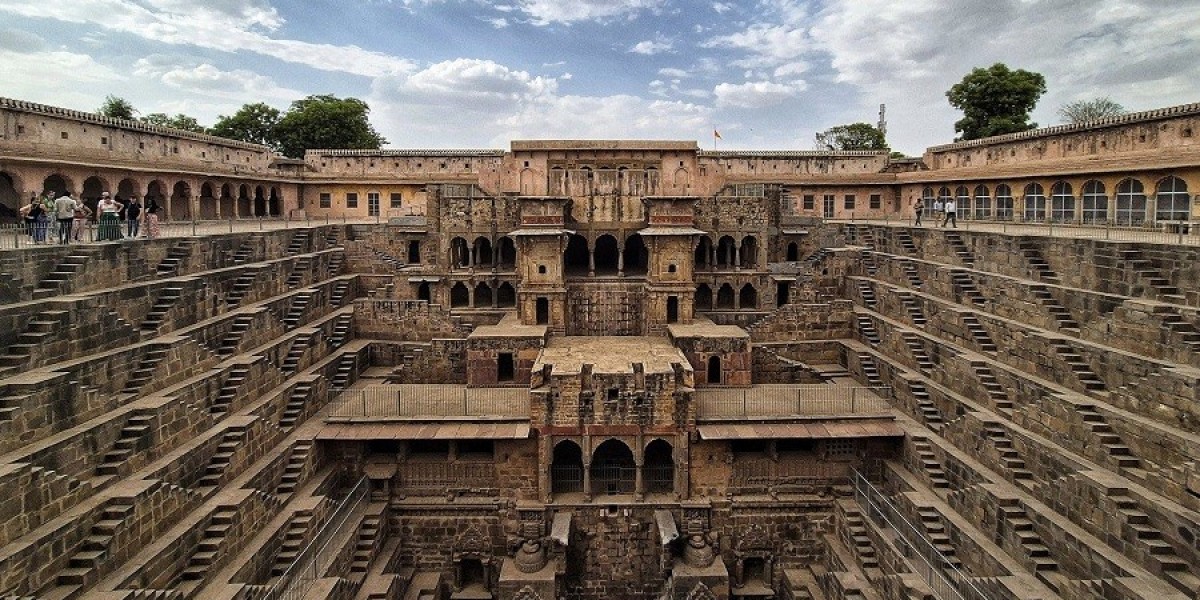

Rajasthan, the land of kings, deserts, and grand forts, holds a unique treasure in the form of ancient stepwells. Stepwells, also called baoris or vavs, served as both water storage systems and architectural marvels. They are a symbol of innovation, beauty, and cultural significance. These structures not only provided water in the arid desert lands but also acted as gathering places for communities.
Visiting stepwells in Rajasthan feels like stepping back in time. Their intricate carvings, stone stairs, and unique design reflect the skill of ancient craftsmen. Today, they attract historians, travelers, and photographers alike. Many travelers include these stepwells in their Rajasthan Tour Packages to explore the state’s rich heritage. Understanding these stepwells gives a deeper insight into Rajasthani history, architecture, and culture.
History of Stepwells in Rajasthan
Stepwells have existed in India for over a thousand years. In Rajasthan, they date back to the 7th and 8th centuries. Kings, queens, and local communities built them to store water in the harsh desert climate. Rajasthan has long dry seasons, and rainfall is scarce. Stepwells became a solution to survive these conditions.
The earliest stepwells were simple structures. Over time, they evolved into multi-storied, elaborately decorated monuments. They often included pavilions, pillars, and galleries. Royal patrons built large stepwells to demonstrate power and wealth. Communities built smaller ones near villages for daily water needs.
Stepwells also acted as social and cultural hubs. People used them for religious rituals, festivals, and community gatherings. Stories and legends often surrounded these stepwells, adding to their charm. Many stepwells bear inscriptions that tell tales of kings, queens, and donors who funded their construction.
Architectural Features of Rajasthani Stepwells
Rajasthani stepwells showcase unique architecture and engineering. Each stepwell has a deep shaft to reach groundwater. Stairs descend in symmetrical patterns to allow easy access to water. Some stepwells are narrow, while others are wide and expansive, with multiple levels.
Many stepwells include pillared corridors and balconies. The stone carvings often depict gods, goddesses, floral patterns, and geometric designs. Some stepwells have small temples inside, dedicated to deities. These temples were not only spiritual centers but also places for travelers to rest and pray.
Stepwells show excellent water management skills. They store rainwater, prevent evaporation, and allow groundwater recharge. Their design keeps water cool even in the scorching summer heat. Engineers used stone as the main material to ensure durability.
Some stepwells feature ornate sculptures, including lions, elephants, and mythical creatures. The craftsmanship reflects the influence of Hindu and Jain architecture. Each stepwell tells a story through its carvings, making it a living piece of history.
Famous Ancient Stepwells of Rajasthan
Rajasthan has many notable stepwells. Some are famous worldwide for their beauty and history.
1. Chand Baori, Abhaneri
Chand Baori, located in Abhaneri village near Jaipur, is one of the largest and deepest stepwells in India. It has 3,500 narrow steps arranged in perfect symmetry over 13 stories. Built in the 8th century, it provided water for villagers and served as a cool retreat during hot summers. Chand Baori also includes small shrines and intricate carvings that attract tourists and photographers.
2. Rani Ki Vav, Patan (Note: While not in Rajasthan, its design influenced local stepwells)
Rani Ki Vav, though technically in Gujarat, inspired several Rajasthan stepwells. Its seven levels of descending steps and ornamental sculptures show the peak of stepwell architecture. Many Rajasthani stepwells copied its style, including pillars, niches, and decorative elements.
3. Toorji Ka Jhalra, Jodhpur
This stepwell in Jodhpur is smaller but historically significant. Built in the 18th century, it served local communities and travelers. Its carved pillars and arches show a blend of Marwari and Mughal styles. Tourists enjoy walking down its steps to reach the water and admire the stonework.
4. Panna Meena Ka Kund, Jaipur
Panna Meena Ka Kund, located near Amber Fort, is a five-story stepwell with a geometric pattern of steps and pools. Built in the 16th century, it helped supply water to the royal palace. Its symmetry and reflection in water make it a favorite spot for photography.
5. Chandpole Stepwell, Jodhpur
Chandpole Stepwell is smaller but rich in detail. It features pillared corridors and carved stone walls. Local legends say it was used by queens and noblewomen to fetch water discreetly. Today, it remains a quiet, less-crowded gem for visitors exploring Jodhpur.
Cultural and Religious Importance
Stepwells in Rajasthan hold immense cultural and religious value. Many were built near temples and sacred sites. People performed rituals, prayers, and ceremonies at these stepwells. Water, considered holy in Indian culture, made these structures central to community life.
Women often visited stepwells daily to fetch water. These gatherings allowed sharing stories, news, and bonding with neighbors. Festivals like Diwali, Holi, and local fairs frequently took place near stepwells. They acted as social hubs, bringing people together in addition to serving practical needs.
Stepwells also show artistic expressions. Sculptors carved deities like Ganesha, Shiva, and Vishnu on walls. Jain stepwells often include intricate patterns and tirthankara idols. These carvings are not only spiritual symbols but also a record of Rajasthan’s rich cultural history.
Stepwells and Water Management Systems
Stepwells represent one of the earliest examples of sustainable water management. Rajasthan receives very little rainfall, and water scarcity was a major concern. Stepwells stored rainwater, ensured a year-round supply, and prevented wastage.
The design of stepwells helps regulate temperature. Water stays cool due to the depth and stone construction, making it pleasant to touch during summers. Stairs and platforms allow easy access regardless of water level.
Stepwells also contributed to groundwater recharge. Rainwater collected in stepwells slowly seeped into the soil, replenishing aquifers. This method proved effective for centuries before modern pumps and pipelines.
In addition to storage, stepwells reduced the risk of waterborne diseases. Water remained cleaner compared to open wells or rivers. This combination of beauty and utility makes stepwells a remarkable achievement of ancient engineering.
Decline and Restoration of Stepwells
Over time, stepwells in Rajasthan faced neglect. Modern water supply systems, piped water, and urbanization reduced the need for stepwells. Many fell into disrepair, filled with debris, or became unsafe.
Recently, the government and NGOs have started restoring some stepwells. Chand Baori and Panna Meena Ka Kund received special attention. Restoration includes cleaning, repairing steps, and preserving carvings. Efforts also focus on promoting stepwells as tourist attractions.
Conservation helps raise awareness about historical architecture and sustainable water management. Tourists visiting these restored stepwells can witness history and admire engineering marvels that survived centuries.
Best Time to Visit Stepwells in Rajasthan
Rajasthan experiences extreme temperatures. The best time to visit stepwells is during October to March, when the weather is cooler and comfortable for sightseeing.
Early mornings and late afternoons are ideal for photography. The sunlight creates beautiful shadows on steps and carvings. Visiting during festivals or local fairs gives insight into the cultural relevance of stepwells.
Summer months can be very hot, with temperatures reaching over 45°C. Visiting stepwells at this time is possible, but water may be lower, and walking in open areas can be exhausting. Monsoon brings greenery, but some stepwells may have slippery steps. Planning a visit carefully ensures safety and enjoyment.
Travel Tips for Exploring Stepwells
Exploring stepwells in Rajasthan can be fun and educational. Here are some practical tips:
Wear comfortable shoes – Steps can be steep and uneven.
Carry water and sunscreen – Rajasthan’s sun can be harsh, especially during summer.
Hire a guide – Guides provide historical context and fascinating stories about stepwells.
Visit early morning or late afternoon – Avoid crowds and enjoy better lighting for photography.
Respect local traditions – Many stepwells have religious significance, so avoid loud noise or littering.
Take a camera – The carvings, symmetry, and shadows create amazing photo opportunities.
Check accessibility – Some stepwells have multiple levels with steep stairs. Elderly or children may need support.
Combine visits with forts or palaces – Many stepwells are near Jaipur, Jodhpur, or Abhaneri, making it easy to explore multiple attractions in one trip.
Following these tips ensures a safe, enjoyable, and memorable visit to Rajasthan’s ancient stepwells.
Conclusion
Rajasthan’s ancient stepwells are a true blend of history, culture, and engineering. They represent how humans adapted to harsh environments while creating something beautiful and functional. Stepwells served as water sources, community centers, and religious sites.
Today, these structures remind us of the ingenuity and artistry of ancient India. Restoration projects allow travelers to admire the architecture and learn about sustainable water management. Visiting stepwells gives a sense of connection with the past, showcasing Rajasthan’s royal heritage.
Whether you are a history lover, a photographer, or a curious traveler, Rajasthan’s stepwells offer a unique experience. Their symmetry, carvings, and deep wells tell stories of kings, queens, artisans, and villagers who shaped the desert state. Exploring them brings history to life and leaves unforgettable memories.
Rajasthan’s stepwells are not just structures of stone—they are living monuments of human creativity, devotion, and resilience. They continue to inspire awe and teach lessons about community, culture, and sustainability.










