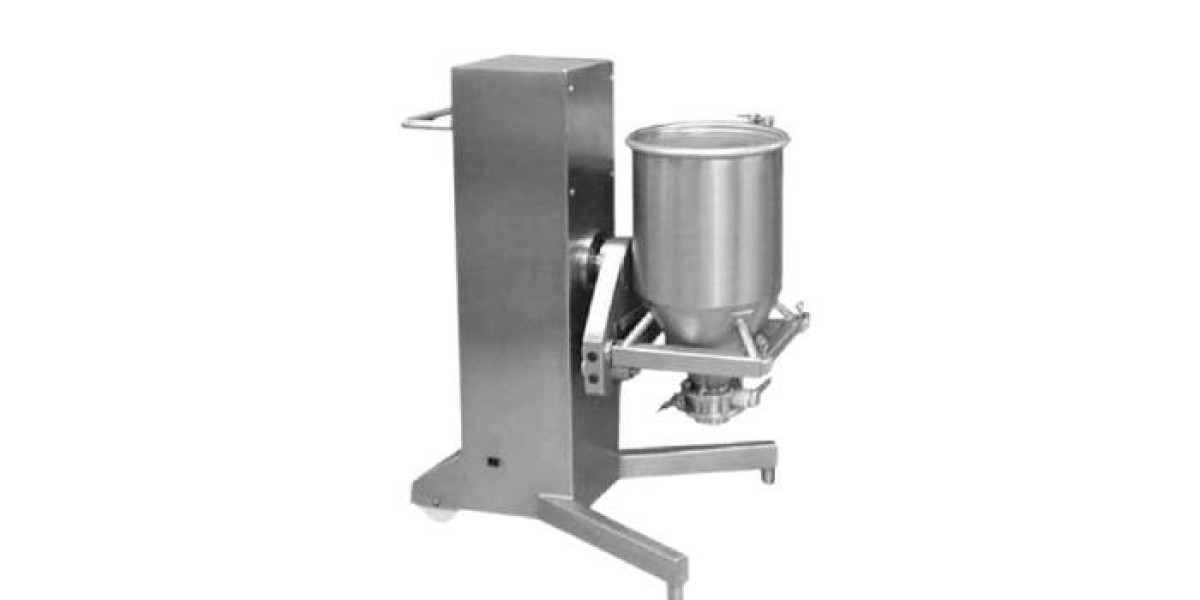

Bulk material handling equipment plays a crucial role in industries that deal with large volumes of raw materials. From mining to manufacturing, these systems improve efficiency, reduce manual labor, and ensure safe operations. Understanding how they work can help businesses optimize productivity and reduce operational costs.
Understanding Bulk Material Handling Equipment
Bulk material handling equipment refers to machines and systems designed to transport, store, control, and protect bulk materials like grains, coal, ores, sand, and chemicals. These materials are typically loose and need specialized handling methods to move them efficiently from one place to another.
Industries rely heavily on such equipment to streamline their workflows. Common types include conveyors, stackers, reclaimers, bucket elevators, and hoppers. Each piece of equipment serves a specific purpose, whether it is moving materials across long distances or storing them safely.
The importance of these systems lies in their ability to handle large quantities of materials quickly and consistently. Without them, industries would face delays, increased labor costs, and higher risks of accidents. Modern systems are also designed with automation features, which further enhance efficiency and reduce human intervention.
Types Of Bulk Material Handling Equipment
Bulk material handling equipment comes in various forms, each tailored to specific industrial needs. Conveyor systems are among the most widely used, allowing continuous movement of materials over short or long distances. Belt conveyors, screw conveyors, and pneumatic conveyors are popular variations.
Stackers and reclaimers are essential in industries like mining and power plants. They help in piling up materials and retrieving them when needed. Bucket elevators are commonly used to lift materials vertically, especially in grain processing industries.
Hoppers and silos play a crucial role in storage. They ensure that materials are kept safe and can be easily accessed when required. Feeders, on the other hand, regulate the flow of materials into processing systems, ensuring smooth operations.
Benefits Of Bulk Material Handling Equipment
Investing in bulk material handling equipment offers numerous advantages for businesses. One of the most significant benefits is increased efficiency. These systems can move large quantities of materials quickly, reducing processing time and improving overall productivity.
Another key advantage is cost savings. While the initial investment may seem high, the long-term savings in labor costs and reduced material loss make it worthwhile. Automation features also minimize human errors and enhance operational accuracy.
Safety is another critical benefit. Handling bulk materials manually can be dangerous, leading to injuries and accidents. Equipment like enclosed conveyors and automated systems reduce direct human contact, ensuring safer working conditions.
Additionally, these systems help maintain material quality. Proper handling prevents contamination, degradation, and spillage, which is especially important in industries like food processing and pharmaceuticals.
How To Choose The Right Bulk Material Handling Equipment?
Selecting the right bulk material handling equipment requires careful consideration of several factors. First, you need to understand the type of material being handled. Properties like size, weight, moisture content, and abrasiveness can influence the choice of equipment.
Capacity requirements are also important. Businesses must evaluate how much material needs to be handled daily and choose equipment that can meet those demands without causing delays. Scalability is another factor to consider, especially for growing industries.
The layout of the facility plays a crucial role as well. Space constraints, distance between processes, and existing infrastructure must be taken into account. Customization options can help in designing systems that fit specific operational needs.
Applications Across Industries
Bulk material handling equipment is used across a wide range of industries, making it an essential part of modern industrial operations. In the mining industry, it is used to transport ores and minerals from extraction sites to processing plants. Heavy-duty conveyors and stackers are commonly used in this sector.
In agriculture, these systems handle grains, seeds, and fertilizers. Equipment like bucket elevators and silos ensures efficient storage and transportation. The food processing industry also relies on these systems to maintain hygiene and prevent contamination.
Construction and cement industries use bulk handling equipment to manage materials like sand, gravel, and cement. Efficient handling ensures timely project completion and reduces material wastage.
Power plants depend on these systems to handle coal and ash. Automated conveyors and feeders help maintain continuous operations, which is critical for energy production. Similarly, the chemical industry uses specialized equipment to handle hazardous materials safely.
Maintenance And Best Practices
Proper maintenance of bulk material handling equipment is essential for ensuring long-term performance and reliability. Regular inspections help identify wear and tear, preventing unexpected breakdowns and costly repairs.
Lubrication of moving parts is crucial to reduce friction and extend the lifespan of the equipment. Cleaning is equally important, especially in industries dealing with sensitive materials like food and chemicals. Accumulated debris can affect performance and lead to contamination.
Training employees to operate the equipment correctly is another important aspect. Skilled operators can detect issues early and ensure safe handling practices. Implementing safety protocols and using protective gear can further minimize risks.
Predictive maintenance techniques, such as using sensors and monitoring systems, are becoming increasingly popular. These technologies help detect potential issues before they become major problems, ensuring uninterrupted operations.
Conclusion
Bulk material handling equipment is a cornerstone of modern industrial operations. It enhances efficiency, reduces costs, and ensures safety across various industries. From conveyors to storage systems, each component plays a vital role in streamlining processes and improving productivity.