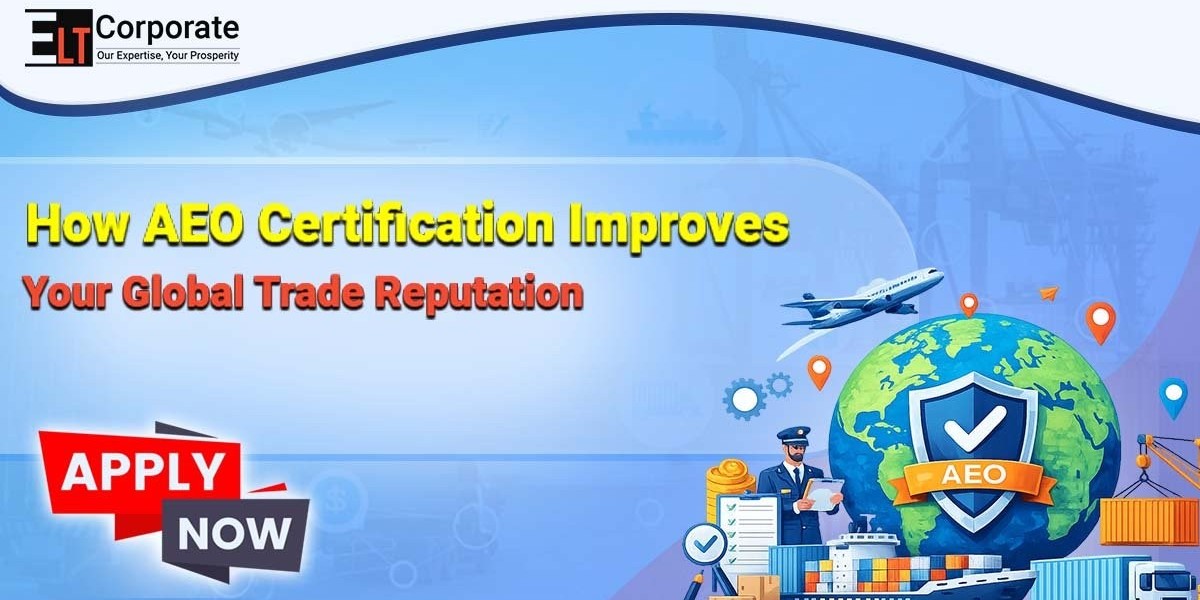

If you are involved in international trade, you’ve likely heard about the AEO certificate. It is a globally recognized accreditation that enhances trust, security, and efficiency in customs operations. Businesses with this certification enjoy faster clearances and improved credibility in global markets.
What Is An AEO Certificate And Why It Matters
An AEO certificate, short for Authorized Economic Operator certificate, is issued by customs authorities to businesses that meet specific security and compliance standards in international trade. It is part of a World Customs Organization (WCO) initiative designed to secure and simplify global supply chains.
This certification is highly valuable for importers, exporters, logistics providers, and warehouse operators. It signals that your business follows strict customs regulations and maintains high operational standards. As a result, certified companies often experience fewer inspections, quicker cargo release, and reduced paperwork.
In today’s competitive global market, trust plays a major role. Having an AEO certificate strengthens your reputation with international partners and government authorities. It also helps in minimizing delays, which can otherwise disrupt supply chains and increase operational costs. Overall, the AEO certificate acts as a passport for smoother and more reliable international trade operations.
Benefits Of Having An AEO Certificate
One of the biggest advantages of obtaining an AEO certificate is faster customs clearance. Certified businesses are considered low-risk, which means their shipments are less likely to be held for inspections. This leads to quicker delivery times and improved customer satisfaction.
Another major benefit is reduced compliance burden. AEO-certified companies often enjoy simplified documentation requirements and priority treatment during customs procedures. This not only saves time but also reduces administrative costs significantly.
Additionally, an AEO certificate improves your global recognition. Many countries have mutual recognition agreements (MRAs), meaning your certification is accepted internationally. This opens doors to new markets and strengthens your competitive position.
Financially, businesses also benefit through lower storage costs and fewer delays at ports. Operational efficiency improves, and your supply chain becomes more predictable. In short, an AEO certificate is not just a compliance tool—it is a strategic asset for growth and expansion.
AEO Certificate Registration Process Explained
Obtaining an AEO certificate involves a structured process that ensures your business meets all compliance and security standards. The first step is assessing your eligibility and gathering necessary documentation, such as financial records, compliance history, and operational details.
After submission, customs authorities conduct a thorough review, which may include site visits and audits. They evaluate your financial solvency, compliance track record, and safety protocols. This step ensures that only reliable businesses receive certification.
Once approved, your business is granted AEO status. However, maintaining the certification requires ongoing compliance and periodic reviews. Businesses must continue to follow regulations and update their processes to retain their certified status.
Eligibility Criteria For AEO Certification
To qualify for an AEO certificate, businesses must meet specific eligibility requirements set by customs authorities. One of the primary criteria is a strong compliance history with customs regulations. Companies should not have significant violations or penalties in the past.
Financial stability is another important factor. Authorities assess whether your business has a solid financial standing to ensure reliability in international trade operations. This includes reviewing financial statements and credit history.
Operational standards also play a key role. Businesses must demonstrate effective record-keeping systems, secure supply chain processes, and proper internal controls. This ensures transparency and accountability in all transactions.
How To Maintain Your AEO Certificate?
Getting an AEO certificate is just the beginning; maintaining it requires continuous effort and adherence to standards. Businesses must ensure ongoing compliance with customs regulations and update their procedures as needed.
Regular internal audits are essential to identify and address any gaps in compliance. This helps in maintaining the integrity of your certification and avoiding potential penalties. Keeping accurate and up-to-date records is equally important.
Training employees is another crucial aspect. Staff should be aware of compliance requirements and security protocols. This ensures that your operations remain consistent with AEO standards at all times.
Common Challenges In AEO Certification And How To Overcome Them
While the benefits of an AEO certificate are significant, the certification process can present challenges. One common issue is the complexity of documentation. Businesses often struggle with gathering and organizing the required information.
Another challenge is meeting strict compliance and security standards. This may require upgrading existing systems or implementing new procedures, which can be time-consuming and costly.
To overcome these challenges, businesses should start with a thorough self-assessment. Identifying gaps early helps in preparing a strong application. Seeking expert guidance can also simplify the process and ensure accuracy.
Investing in technology and training can make a big difference. Automated systems improve record-keeping, while trained staff ensure compliance with regulations. With proper planning and resources, businesses can successfully navigate the certification process and enjoy its long-term benefits.
Why AEO Certification Is Important For Global Trade Growth?
The AEO certificate plays a crucial role in promoting secure and efficient global trade. It helps customs authorities identify low-risk businesses, allowing them to focus on higher-risk shipments. This improves overall security and reduces bottlenecks in the supply chain.
For businesses, the certification enhances trust and credibility. International partners prefer working with AEO-certified companies because of their proven compliance and reliability. This leads to stronger business relationships and increased opportunities.
Moreover, AEO certification supports economic growth by facilitating smoother trade operations. Faster clearances and reduced delays contribute to improved efficiency and lower costs. This benefits both businesses and consumers.
In a rapidly evolving global market, having an AEO certificate is becoming increasingly important. It not only ensures compliance but also provides a competitive edge, helping businesses thrive in international trade.
Conclusion
The AEO certificate is a powerful tool for businesses engaged in international trade. It offers numerous benefits, including faster customs clearance, reduced costs, and enhanced credibility. While the application process may seem complex, the long-term advantages make it a worthwhile investment.