
Sewer systems are a critical part of urban and industrial infrastructure, responsible for safely transporting wastewater away from homes, businesses, and public spaces. However, these systems often face a range of problems due to misuse, aging infrastructure, and environmental factors. When left unresolved, sewer issues can lead to foul odors, water contamination, flooding, and costly repairs.
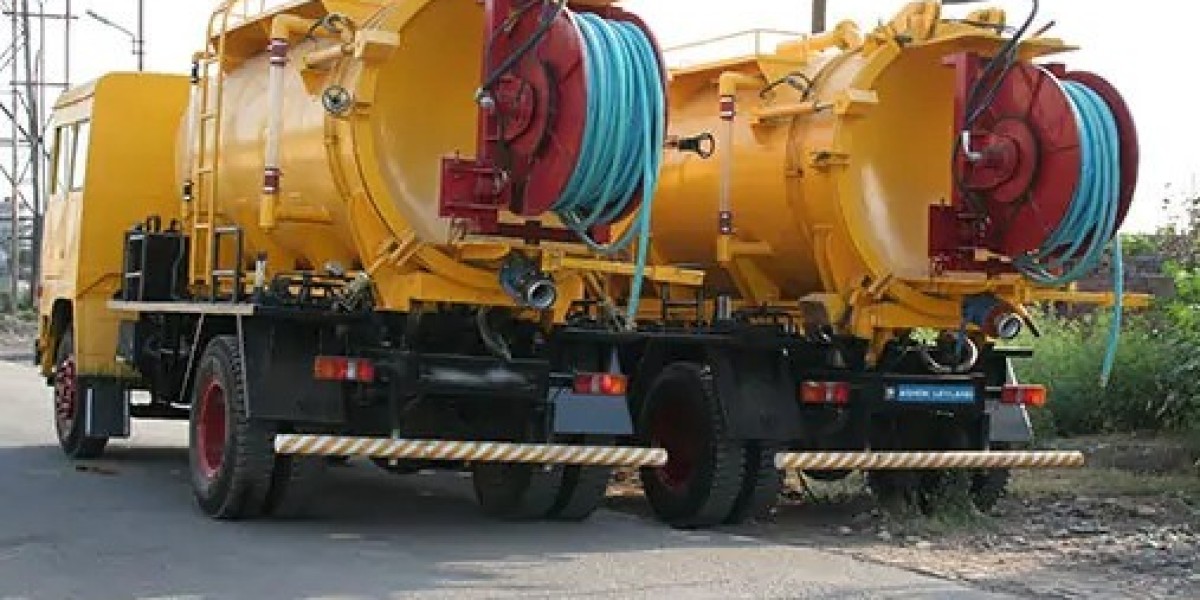
Modern solutions like suction machines have become essential tools for maintaining sewer systems efficiently. These machines help remove blockages, sludge, and debris quickly, reducing downtime and preventing major failures. This article explores the most common sewer system problems and explains how sewar suction machines effectively address them.
Understanding Common Sewer System Problems
1. Blockages Caused by Grease, Waste, and Debris
One of the most frequent sewer issues is blockage due to grease, oils, and solid waste. When substances like fats and oils are poured into drains, they cool and harden, sticking to pipe walls and gradually forming thick layers.
Additionally, items such as wipes, sanitary products, and food debris do not break down easily and accumulate inside pipes, leading to clogs.
Over time, these materials restrict water flow, causing slow drainage, backups, and even overflow.
2. Tree Root Intrusion
Tree roots are a major cause of sewer line damage and blockages. Roots naturally seek moisture and can infiltrate small cracks or joints in underground pipes. Once inside, they grow rapidly and obstruct wastewater flow.
This problem is especially common in older sewer systems made of clay or concrete pipes.
3. Aging and Damaged Infrastructure
Many sewer systems in older cities suffer from deterioration due to age. Pipes may corrode, crack, or collapse over time, reducing their efficiency and increasing the risk of leaks and blockages.
Ground movement, temperature changes, and poor maintenance further contribute to structural damage.
4. Stormwater Overload
During heavy rainfall, sewer systems can become overwhelmed, especially in areas with combined sewer systems. Excess rainwater enters the system, exceeding its capacity and causing backups or flooding.
This not only disrupts wastewater flow but can also lead to environmental contamination.
5. Sludge and Sediment Accumulation
Over time, sludge, silt, and other sediments accumulate at the bottom of sewer lines and tanks. This buildup reduces the effective diameter of pipes and slows down the flow of wastewater.
If not removed regularly, it can lead to severe blockages and system inefficiency.
6. Improper Disposal Practices
Human behavior plays a significant role in sewer problems. Flushing non-biodegradable items or disposing of chemicals and plastics in drains leads to long-term damage.
Such practices not only clog the system but also harm wastewater treatment processes.
How Suction Machines Solve Sewer Problems
Suction machines, also known as sewer suction or vacuum machines, are designed to remove waste, sludge, and debris from sewer systems efficiently. These machines use powerful vacuum pumps to extract materials from pipelines, manholes, septic tanks, and drains.
Let’s explore how they address each major sewer problem.
1. Efficient Removal of Blockages
Suction machines are highly effective in clearing blockages caused by grease, waste, and debris. The strong vacuum pressure pulls out accumulated materials from pipes without damaging the infrastructure.
Unlike manual cleaning, which is time-consuming and hazardous, suction machines can quickly restore normal flow in sewer lines.
2. Clearing Tree Root Debris
While suction machines alone may not cut tree roots, they play a crucial role in removing loosened root debris after cutting or jetting operations. This ensures that pipes are completely cleared and prevents re-blockage.
They are often used in combination with high-pressure jetting machines for complete cleaning.
3. Removing Sludge and Sediments
One of the primary uses of suction machines is sludge removal. They can efficiently extract thick sludge, silt, and semi-solid waste from sewer lines, septic tanks, and drainage systems.
This helps maintain proper flow and prevents long-term buildup that could lead to system failure.
4. Preventing Sewer Overflow and Flooding
By regularly cleaning sewer systems, suction machines help prevent overflow during heavy rainfall. Removing accumulated waste ensures that the system has enough capacity to handle excess water.
This is especially important in urban areas prone to waterlogging.
5. Supporting Maintenance of Aging Infrastructure
For older sewer systems, regular cleaning is essential to maintain functionality. Suction machines reduce the stress on aging pipes by preventing excessive buildup and pressure.
This extends the lifespan of the infrastructure and minimizes the need for costly repairs.
6. Improving Hygiene and Safety
Manual sewer cleaning poses serious health risks to workers due to exposure to toxic gases and harmful bacteria. Suction machines eliminate the need for direct human contact with waste.
This not only improves safety but also ensures a more hygienic cleaning process.
Additional Benefits of Suction Machines
Beyond solving common sewer problems, suction machines offer several advantages:
- Time Efficiency: Faster cleaning compared to manual methods
- Cost-Effective: Reduces maintenance and repair costs
- Eco-Friendly: Minimizes environmental contamination
- Versatility: Suitable for municipal, industrial, and residential use
- High Capacity: Can handle large volumes of waste quickly
The Role of Preventive Maintenance
While suction machines are highly effective, preventive maintenance is equally important. Regular inspection and cleaning of sewer systems can help identify problems early and avoid major disruptions.
Simple practices like proper waste disposal, avoiding grease discharge, and scheduling routine cleaning can significantly improve system performance.
Conclusion
Sewer systems face numerous challenges, from blockages and root intrusion to aging infrastructure and stormwater overload. These issues can disrupt daily life, cause environmental hazards, and lead to expensive repairs if not addressed promptly.
Suction machines have emerged as a reliable and efficient solution for maintaining sewer systems. By removing sludge, clearing blockages, and supporting preventive maintenance, they play a vital role in ensuring smooth and safe wastewater management.
Investing in modern sewer cleaning technologies like suction machines is not just a necessity—it is a step toward sustainable urban infrastructure and improved public health.