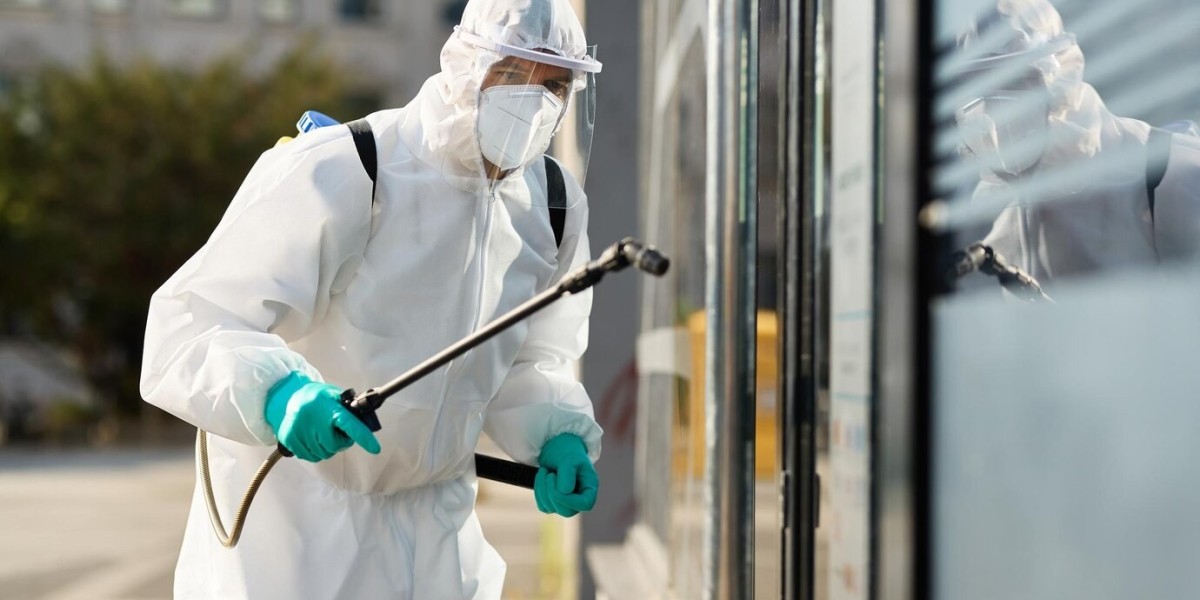

Living on the Gold Coast offers an enviable lifestyle—beautiful beaches, warm weather, and a relaxed atmosphere. However, the same subtropical climate that makes the region so appealing also creates the perfect breeding ground for pests. From cockroaches and ants to termites and mosquitoes, homeowners often find themselves dealing with unwanted intruders.
This ultimate guide will walk you through everything you need to know about pest control in Gold Coast homes, including common pests, prevention tips, and when to call in professionals.
Why Pest Control Is Essential on the Gold Coast
The Gold Coast’s warm, humid environment provides ideal conditions for pests to thrive year-round. Unlike cooler regions where pest activity drops in winter, pests here remain active across all seasons.
Without proper pest control, infestations can:
- Damage property (especially termites)
- Spread diseases
- Contaminate food
- Cause discomfort and stress
Regular pest management isn’t just about convenience—it’s about protecting your home, health, and investment.
Common Pests Found in Gold Coast Homes
Understanding the types of pests you’re dealing with is the first step toward effective control.
1. Termites
Often called “silent destroyers,” termites can cause severe structural damage before you even notice them. They feed on wood and can weaken the foundation of your home.
2. Cockroaches
Cockroaches thrive in warm, moist environments and are commonly found in kitchens and bathrooms. They can spread bacteria and trigger allergies.
3. Ants
Ants are persistent and often invade homes in search of food. Some species can also damage timber or electrical wiring.
4. Mosquitoes
Mosquitoes are not just annoying—they can carry diseases. Standing water around your property can quickly become a breeding ground.
5. Spiders
While most spiders are harmless, some species can pose a risk. They tend to hide in dark, undisturbed areas.
6. Rodents
Rats and mice can chew through wires, contaminate food, and spread disease. They reproduce quickly, making early intervention crucial.
Preventative Pest Control Tips
Prevention is always better (and cheaper) than dealing with a full-blown infestation. Here are some practical steps you can take to keep pests at bay:
Keep Your Home Clean
- Wipe down surfaces regularly
- Store food in sealed containers
- Take out the garbage frequently
A clean home removes the food sources that attract pests.
Seal Entry Points
Inspect your home for cracks, gaps, and holes, especially around doors, windows, and pipes. Sealing these entry points can prevent pests from entering.
Manage Moisture
Many pests thrive in damp environments. Fix leaks, ensure proper drainage, and use dehumidifiers if necessary.
Maintain Your Garden
Overgrown gardens can harbor pests. Keep grass trimmed, remove debris, and avoid placing mulch too close to your home’s foundation.
Eliminate Standing Water
Mosquitoes breed in stagnant water. Regularly check for water accumulation in pots, gutters, and outdoor containers.
DIY Pest Control vs Professional Services
Many homeowners try DIY pest control methods first, but these aren’t always effective for long-term results.
DIY Pest Control
Pros:
- Cost-effective
- Easily accessible products
Cons:
- Temporary results
- May not address the root cause
- Risk of incorrect application
DIY solutions are best for minor issues or prevention.
Professional Pest Control
Pros:
- Targeted treatments
- Long-lasting results
- Safe and regulated chemicals
- Expert knowledge
Cons:
- Higher upfront cost
Professional services are essential for serious infestations, especially termites and rodents.
How Often Should You Schedule Pest Control?
The frequency of pest control depends on your home and environment, but general guidelines include:
- Every 6–12 months: General pest control
- Annually: Termite inspection
- As needed: For sudden infestations
Homes near bushland or water may require more frequent treatments due to higher pest activity.
Eco-Friendly Pest Control Options
With growing environmental awareness, many Gold Coast homeowners are opting for eco-friendly pest control methods.
These include:
- Non-toxic sprays
- Biological controls
- Heat treatments
- Integrated Pest Management (IPM) techniques
Eco-friendly solutions are safer for children, pets, and the environment while still being effective when applied correctly.
Signs You Need Pest Control Immediately
Sometimes pests aren’t obvious until the problem becomes serious. Watch for these warning signs:
- Droppings or urine stains
- Unusual noises in walls or ceilings
- Damage to wood or furniture
- Grease marks along walls (rodents)
- Dead insects accumulating
- Bite marks or itchy skin
If you notice any of these, it’s time to act quickly.
Choosing the Right Pest Control Service
Not all pest control companies are the same. When selecting a provider on the Gold Coast, consider the following:
Experience and Reputation
Look for companies with strong reviews and proven experience in handling local pests.
Licensing and Certification
Ensure the company is licensed and follows Australian safety standards.
Treatment Methods
Ask about the products and techniques used, especially if you prefer eco-friendly options.
Guarantee and Follow-Up
Reliable companies often offer warranties or follow-up visits to ensure the problem is resolved.
Pest Control for Renters vs Homeowners
Homeowners
You have full responsibility for maintaining pest control and preventing infestations.
Renters
Pest control responsibilities may depend on your lease agreement. In many cases, tenants are responsible for end of lease pest treatments, especially if pets were kept.
Always check your agreement to understand your obligations.
Seasonal Pest Control Guide
Even though pests are active year-round, certain seasons bring specific challenges:
- Summer: Mosquitoes, ants, cockroaches
- Autumn: Rodents seeking shelter
- Winter: Reduced activity but hidden infestations
- Spring: Termite swarms and increased insect activity
Adjusting your pest control strategy based on the season can improve effectiveness.
Final Thoughts
Pest control in Gold Coast homes is not a one-time task—it’s an ongoing process. The region’s climate makes it essential to stay proactive with prevention, monitoring, and treatment.
By keeping your home clean, sealing entry points, managing moisture, and scheduling regular inspections, you can significantly reduce the risk of infestations. For more serious problems, professional pest control services provide the expertise and long-term solutions needed to protect your home.
Ultimately, a well-planned pest control strategy ensures not only comfort but also peace of mind, allowing you to fully enjoy the Gold Coast lifestyle without unwanted guests.