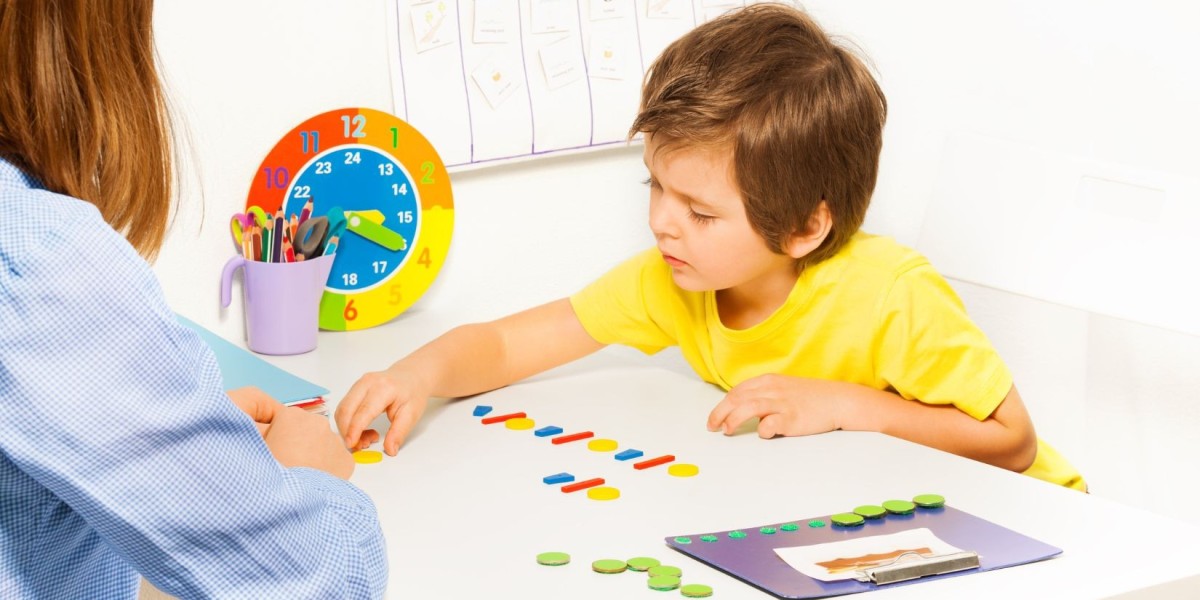

Applied Behavior Analysis (ABA) has become an important educational support approach used in schools to help students develop essential academic, behavioral, and social skills. Across Virginia, school-based ABA services are helping students succeed in structured learning environments by promoting positive behaviors, improving classroom engagement, and building independence. By integrating evidence-based strategies into daily instruction, school teams can create supportive learning environments where every student has the opportunity to thrive.
This article explores how school-based ABA in Virginia supports student success, how it works within educational settings, and why it is valuable for families, teachers, and administrators.
What Is School-Based ABA?
School-based ABA is the use of applied behavior analysis principles within educational settings to improve student behavior, learning readiness, communication, and social interaction. Unlike clinic-based therapy, school-based ABA is delivered during the school day and focuses on skills that directly support academic participation and classroom success.
ABA strategies are grounded in behavioral science and emphasize:
Understanding why behaviors occur
Teaching positive replacement behaviors
Reinforcements that encourage desired actions
Data-driven decision-making
Consistent routines and structured support
In Virginia schools, ABA techniques may be implemented by trained specialists, behavior analysts, special education staff, and classroom teachers working collaboratively.
Why School-Based ABA Matters in Virginia Schools
Virginia schools serve diverse learners with varied needs. School-based ABA provides structured support that helps students overcome challenges that interfere with learning and participation.
Key Benefits
Improved Classroom Behavior: ABA strategies teach students appropriate ways to communicate needs, follow instructions, and participate in classroom activities.
Increased Academic Engagement: Students learn how to stay on task, complete assignments, and transition between activities smoothly.
Development of Social Skills: School-based ABA helps students build positive peer interactions, cooperative skills, and respectful communication.
Greater Independence: Students learn self-management strategies that promote responsibility and confidence.
Data-Driven Progress Monitoring: ABA relies on measurable data to track improvement and adjust strategies when needed.
How School-Based ABA Is Implemented
School-based ABA in Virginia is tailored to each student’s needs and delivered through collaboration among educators, specialists, and families.
Functional Behavior Assessment (FBA)
Before interventions begin, a Functional Behavior Assessment identifies:
triggers that lead to challenging behaviors
the purpose or function of the behavior
environmental factors influencing behavior
This assessment helps develop effective, individualized support strategies.
Behavior Intervention Plans (BIP)
Based on the FBA, a Behavior Intervention Plan outlines:
targeted behaviors for improvement
teaching strategies for replacement behaviors
reinforcement systems
staff response procedures
progress monitoring methods
Positive Reinforcement Systems
Reinforcement encourages desired behaviors by rewarding positive actions such as:
completing tasks
following classroom rules
cooperating with peers
demonstrating self-control
Rewards may include praise, privileges, or classroom incentives.
Skill-Building Instruction
ABA techniques teach skills step by step, including:
communication and requesting help
following multi-step instructions
organization and task completion
problem-solving skills
peer interaction skills
Collaboration: The Key to Success
Successful school-based ABA programs rely on teamwork.
Educators: Teachers implement strategies during lessons, transitions, and group activities.
Behavior Specialists: Board Certified Behavior Analysts (BCBAs) or trained professionals design interventions and monitor progress.
School Staff: Counselors, aides, and administrators support consistency across school environments.
Families: Parents reinforce strategies at home, creating continuity and stability.
Strong communication between home and school ensures consistent expectations and reinforces student progress.
ABA Strategies Used in the Classroom
School-based ABA in Virginia may include a variety of evidence-based strategies:
Positive Reinforcement: Encouraging desired behaviors through rewards and praise.
Task Analysis: Breaking complex tasks into smaller, manageable steps.
Prompting and Fading: Providing guidance initially and gradually reducing support to promote independence.
Visual Supports and Structured Routines: Helping students understand expectations and transitions.
Self-Monitoring Techniques: Teaching students to track their own behavior and progress.
Behavior Modeling: Demonstrating appropriate behaviors for students to imitate.
Who Benefits from School-Based ABA?
School-based ABA supports students who:
struggle with classroom behavior expectations
have difficulty following routines
need support with social interactions
experience challenges staying engaged in learning
benefit from structured guidance and reinforcement
ABA is flexible and can be integrated into general education classrooms, special education programs, and individualized learning plans.
Legal and Educational Framework in Virginia
School-based ABA services in Virginia may be provided through:
Individualized Education Programs (IEPs)
Behavior Intervention Plans
Multi-tiered systems of support (MTSS)
special education services and behavioral supports
Schools must follow federal and state guidelines to ensure students receive appropriate supports that promote educational access and success.
Supporting Student Success Beyond Behavior
While behavior improvement is a core focus, school-based ABA contributes to broader student development, including:
improved confidence and self-esteem
stronger peer relationships
better coping strategies
enhanced communication skills
readiness for future academic challenges
These improvements help students participate more fully in school life and prepare for long-term success.
Choosing and Accessing School-Based ABA Services
Families interested in school-based ABA in Virginia can:
Request a school evaluation if behavioral challenges impact learning.
Participate in IEP meetings to discuss behavioral support needs.
Ask about Functional Behavior Assessments and Behavior Intervention Plans.
Collaborate with teachers and specialists to ensure consistent support.
Monitor progress through data reports and regular communication.
Advocating for evidence-based support ensures students receive the services necessary to succeed.
Final Thoughts
School-based ABA in Virginia plays a vital role in helping students build positive behaviors, strengthen academic engagement, and develop essential life skills. By integrating applied behavior analysis into classroom routines, schools create supportive learning environments where students can grow, gain independence, and achieve meaningful success.
Through collaboration, structured support, and data-driven strategies, school-based ABA empowers students to overcome challenges and reach their full potential — both inside and beyond the classroom.