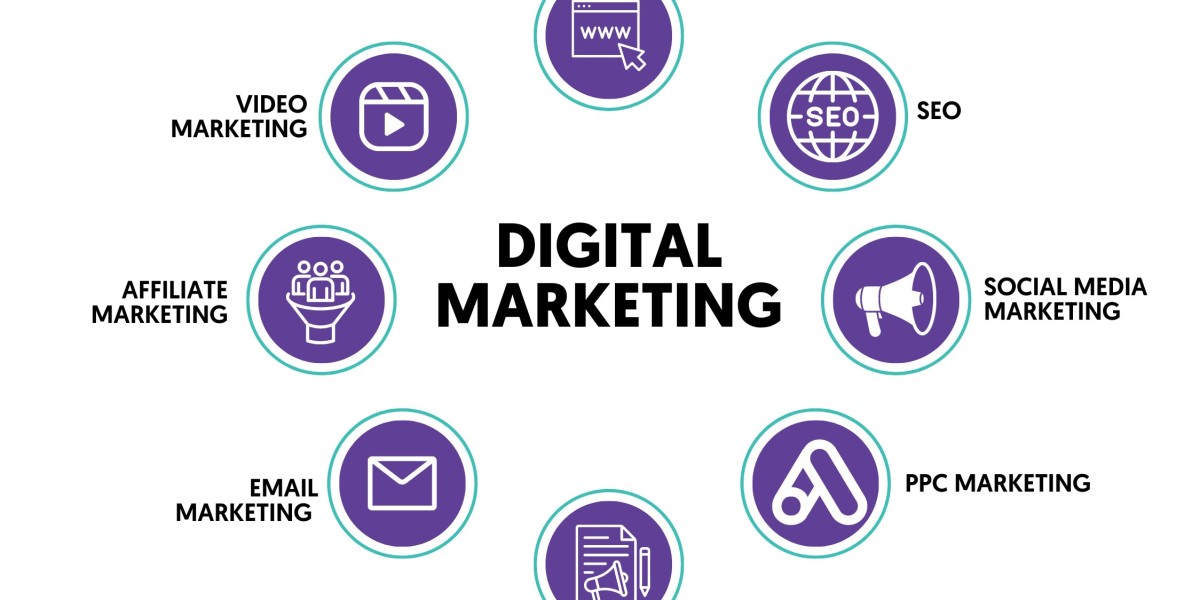

Digital marketing gives businesses in Dubai multiple ways to reach potential customers, promote their services, and build lasting relationships. However, simply investing in search engine optimization, social media, or paid advertising does not guarantee better business results. Companies need to understand which activities attract the right audience, encourage meaningful engagement, and contribute to sales.
A more effective approach starts with clear objectives, a defined target audience, and a strategy that connects different marketing channels. Businesses looking for professional support may consider a digital marketing agency in Dubai to identify opportunities, improve campaign performance, and make better use of their marketing budgets.
Here are practical ways businesses in Dubai can improve their digital marketing results.
1. Set Measurable Marketing Goals
Before changing campaigns or investing in new channels, businesses should identify what successful marketing looks like for them.
Some companies want to generate qualified leads, while others aim to increase online sales, improve brand recognition, or encourage existing customers to return.
Each objective requires relevant performance indicators. A business focused on lead generation might monitor qualified enquiries and cost per lead, while an online retailer may prioritize conversion rates, average order value, and customer acquisition costs.
Clear goals help businesses evaluate whether their activities are contributing to commercial outcomes.
Instead of trying to improve every metric simultaneously, prioritize a small number of important objectives. Review them regularly and adjust the strategy when reliable performance data indicates a better approach.
2. Understand What Your Customers Actually Need
Marketing results improve when campaigns address genuine customer problems rather than relying on broad promotional messages.
Businesses should research the questions customers ask, the challenges they face, and the factors that influence their purchasing decisions.
Useful sources of information include customer interviews, sales conversations, website analytics, enquiry forms, customer reviews, and feedback from support teams.
For example, a B2B service provider might discover that prospective clients need clearer information about pricing, implementation, or expected outcomes before requesting a consultation.
That insight could guide new website content, advertising messages, and email campaigns.
Dubai's diverse business environment also makes audience segmentation important. Companies should identify the customer groups most relevant to their offerings instead of treating every visitor as an equally valuable prospect.
3. Improve Website Quality and User Experience
A website can attract visitors without generating meaningful business if important information is difficult to find or the next steps are unclear.
Businesses should review their websites from the perspective of a potential customer. Can visitors understand the service quickly? Is the value proposition clear? Can they find contact information without unnecessary effort?
Important improvements include:
Clear service descriptions and page headings.
Mobile-friendly layouts.
Fast-loading pages.
Simple enquiry forms.
Relevant testimonials and case studies.
Visible calls to action.
Accurate contact details.
Landing pages should also match the campaigns that direct visitors to them. Someone clicking an advertisement for a specific service should arrive at a page that explains that service and provides a relevant next step.
Regular website reviews and conversion testing can help identify obstacles that prevent interested visitors from becoming customers.
4. Strengthen Your SEO Strategy
Search engine optimization helps businesses attract people who are actively looking for relevant information, products, or services.
To improve SEO results, businesses should begin by identifying valuable search terms and understanding the intent behind them.
A practical SEO strategy includes optimizing important service pages, improving website structure, addressing technical issues, publishing helpful content, and building relevant internal links.
Local SEO is also valuable for businesses targeting customers in Dubai. Accurate business information, an eligible Google Business Profile, genuine customer reviews, and useful location-specific pages can help improve local discoverability.
Businesses should avoid judging SEO success solely by keyword rankings. A page ranking well for an irrelevant search term may generate little commercial value.
Instead, monitor organic traffic alongside qualified leads, conversions, and the performance of important service pages. This helps identify the search activities that contribute most effectively to business goals.
5. Create Content That Helps Customers Make Decisions
Content marketing can support business growth by answering customer questions, explaining services, and demonstrating expertise.
However, publishing frequently is not enough. Content should have a clear purpose and provide information that the intended audience genuinely needs.
Businesses can create:
Practical industry guides.
Answers to frequently asked questions.
Service comparison articles.
Customer case studies.
Product demonstrations.
Expert commentary.
Educational videos.
For example, a company offering business technology solutions could publish a guide explaining how to choose the right system for a growing team. This resource could attract relevant visitors while helping potential customers understand their options.
Content should also connect with the wider marketing strategy. Articles can support SEO, social media posts can distribute them, and sales teams can share them with prospects.
Reviewing traffic, engagement, and conversion data helps businesses identify the topics worth developing further.
6. Focus on the Social Media Channels That Matter
Businesses often spread their resources across several social media platforms without determining which ones provide the most value.
A better approach is to select platforms according to the target audience, industry, and marketing objective.
LinkedIn may be appropriate for reaching professional decision-makers, while Instagram may suit visually focused consumer brands. Other platforms can be useful depending on where customers spend time and how they research products or services.
Businesses should establish content themes, maintain a consistent publishing schedule, and respond to relevant questions and comments.
Social media content can include educational tips, project updates, customer stories, service explanations, and short videos.
Performance should be assessed through meaningful indicators, such as qualified website visits, enquiries, conversions, and relevant engagement. This makes it easier to identify which content formats and platforms deserve additional investment.
7. Make Paid Advertising More Efficient
Paid advertising can deliver useful results when campaigns target the right audience with a relevant offer.
Businesses should avoid launching campaigns without defining their objectives, budget, conversion actions, and performance expectations.
Search advertising can help reach users actively looking for services, while social media campaigns can introduce offerings to selected audiences. Remarketing may help reconnect with eligible visitors who previously interacted with the business.
To improve campaign performance, companies should:
Review targeting and search terms.
Test different advertising messages.
Match advertisements with relevant landing pages.
Track enquiries and sales accurately.
Monitor cost per qualified lead.
Reduce spending on consistently underperforming activities.
Campaign optimization should focus on business outcomes rather than clicks alone.
For example, an advertisement that attracts fewer visitors but produces more qualified enquiries may offer greater value than a high-traffic campaign with limited conversions.
8. Use Customer Reviews to Build Trust
Potential customers often research a business before making a purchasing decision. Reviews and testimonials can help them understand the experiences of previous customers.
Businesses should encourage genuine feedback, monitor relevant review platforms, and respond professionally to questions or concerns.
It is also important to make trust-building information available on the website. Relevant case studies, clear service descriptions, transparent terms, and accurate company information can help reduce uncertainty.
For B2B companies, case studies that explain the problem, solution, and verified outcome may be particularly useful.
Businesses should avoid fake reviews and unsupported performance claims. Authentic feedback and consistent service quality provide a stronger foundation for a credible online reputation.
9. Connect Marketing With the Sales Process
Marketing results are more useful when they translate into opportunities that the sales team can act upon.
Businesses should establish a clear process for handling enquiries, qualifying prospects, following up, and tracking sales outcomes.
For example, if a campaign generates website enquiries, the business should know who receives those enquiries, how quickly they are contacted, and whether the resulting opportunities lead to sales.
Marketing and sales teams should also agree on what qualifies as a good lead. This helps marketers focus on attracting prospects who are more likely to become customers.
A customer relationship management system can help track interactions and identify where prospects need additional information.
Connecting marketing data with sales data provides a more complete view of campaign performance and helps businesses make decisions based on revenue potential rather than lead volume alone.
10. Use Email Marketing to Nurture Leads
Not every prospective customer is ready to buy immediately. Email marketing allows businesses to maintain communication with interested prospects and existing customers over time.
Companies can share educational resources, useful updates, service information, and relevant offers based on customer interests.
Segmentation makes these communications more useful. New prospects may need introductory information, while people who have already requested a quotation may benefit from case studies or detailed service explanations.
Businesses should focus on relevance rather than sending frequent promotional messages without a clear purpose.
Email performance can be assessed through clicks, enquiries, conversions, and unsubscribes. Campaigns should also comply with applicable privacy and consent requirements.
When integrated with the website and sales process, email marketing can help businesses maintain relationships and encourage appropriate next steps.
11. Measure the Right Performance Indicators
Reliable data helps businesses identify successful activities and make informed improvements.
The most useful metrics depend on the company's objectives, but common indicators include:
Qualified leads and completed sales.
Website conversion rates.
Organic search traffic.
Cost per lead.
Customer acquisition cost.
Return on advertising spend.
Email campaign conversions.
Repeat purchases and customer retention.
Tools such as Google Analytics and Google Search Console can help businesses understand website behaviour and search performance. Advertising platforms provide additional information about campaign delivery and conversions.
Reports should explain what happened, why it matters, and what actions should follow.
For example, if website traffic increases but enquiries remain unchanged, the business may need to review the relevance of its traffic, its landing pages, or its calls to action.
Regular reporting turns performance data into practical decisions.
12. Review and Refine Your Strategy Consistently
Digital marketing requires ongoing improvement because customer behaviour, competitors, and campaign performance can change.
Businesses should schedule regular reviews to evaluate progress against their objectives and identify the most valuable next steps.
A monthly review might examine which channels generated qualified leads, which pages converted visitors effectively, and which campaigns need further testing.
Companies can experiment with new content formats, adjust advertising messages, improve landing pages, or revise their audience targeting based on the available evidence.
However, changes should be made thoughtfully. SEO and other long-term activities may require time before their full impact becomes visible, while paid campaigns can often be evaluated over shorter periods.
A consistent review process helps businesses balance patience with the need to improve performance.
Final Thoughts
Businesses in Dubai can get better results from digital marketing by combining clear objectives, audience research, website improvements, SEO, useful content, targeted advertising, and accurate performance measurement. The most important step is to connect these activities with real business outcomes.
Rather than investing in every available channel, companies should prioritize the activities that attract relevant customers and support their sales process. Regular analysis and practical improvements can help make marketing investments more productive over time.
For businesses seeking professional support with planning, implementing, and evaluating their digital marketing activities, Avaroz Digital can help develop a focused strategy aimed at improving online visibility, attracting qualified prospects, and supporting measurable business growth.