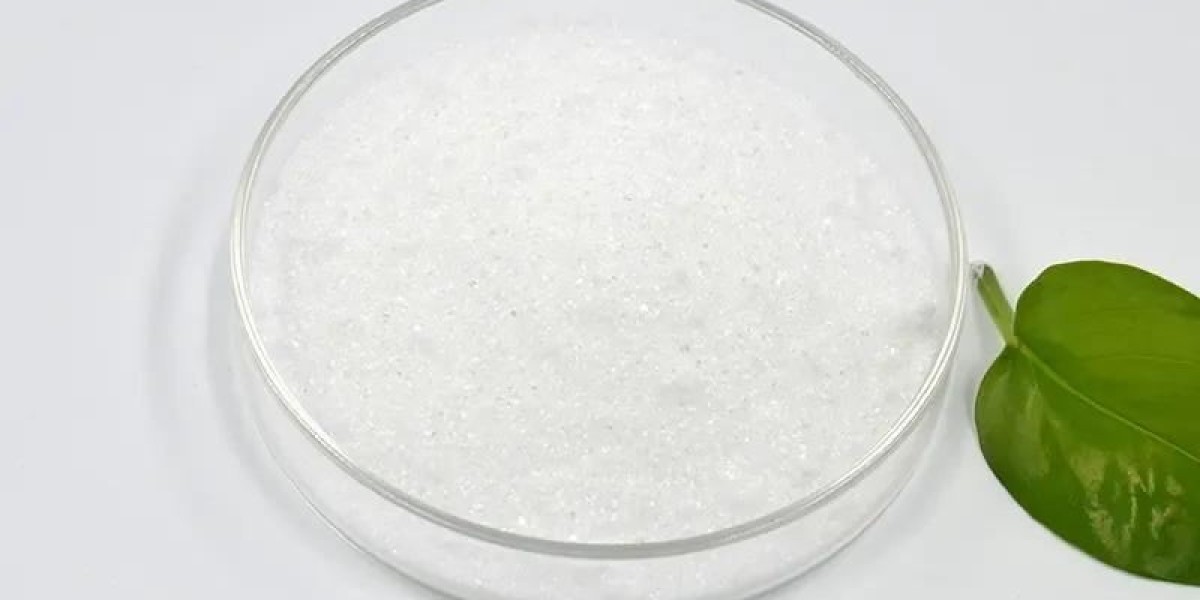

What Is Sodium Hexametaphosphate
هگزا متا فسفات سدیم — sodium hexametaphosphate (SHMP), with the idealized formula (NaPO3)6 — is a polyphosphate salt produced by the condensation polymerization of sodium phosphate at high temperatures. The product is not truly a pure hexameric species but rather a mixture of cyclic and linear polyphosphate chains with varying chain lengths, with the hexameric structure being the idealized description from which the name is derived. Also known as Graham's salt, SHMP is an important industrial chemical with applications in water treatment, food processing, ceramics, mining, detergents, and various industrial processes where its sequestering power, dispersing capability, and buffering functionality provide unique benefits.
Water Treatment Applications
Water treatment is one of the most important industrial applications of sodium hexametaphosphate. SHMP is an effective threshold inhibitor — it prevents the precipitation of calcium carbonate and other sparingly soluble calcium salts at concentrations far below stoichiometric. In water distribution systems, very small doses of polyphosphate — typically 1 to 5 milligrams per liter — prevent the formation of calcium carbonate scale deposits that would otherwise line pipes and reduce flow capacity. SHMP is also used to prevent iron and manganese precipitation in distribution water, sequestering these metals in soluble form and preventing the red water and black water problems that iron and manganese precipitation causes.
Food Processing Applications
Food-grade sodium hexametaphosphate is approved as a food additive with several functional uses in processed food applications. In processed seafood products including crab, shrimp, and fish, SHMP is applied as a soak or spray treatment that improves water retention, reduces drip loss during thawing and cooking, and improves the texture of the processed product. In canned vegetables and fruits, SHMP helps prevent texture softening by sequestering the magnesium and calcium ions that activate pectin-degrading enzymes responsible for texture loss during thermal processing. And in dairy products, SHMP contributes to the emulsification and textural stability of processed cheese and other dairy formulations.
Ceramic and Tile Manufacturing
The ceramic industry uses sodium hexametaphosphate as a deflocculant in ceramic slip and body preparation. When added in small amounts to ceramic clay suspensions, SHMP adsorbs onto clay particle surfaces and creates electrostatic repulsion between particles, dramatically reducing the viscosity of the suspension without requiring additional water. This deflocculation effect allows ceramic manufacturers to produce casting slips with lower water content — which reduces drying time and improves dimensional accuracy of cast pieces — while maintaining the fluidity needed for the slip casting process.
Mining and Mineral Processing
The mining industry uses sodium hexametaphosphate as a dispersant for ore slurries and as a selective depressant in mineral flotation. In ore slurry preparation for leaching and other hydrometallurgical processes, SHMP prevents the aggregation of fine mineral particles that would reduce process efficiency. In flotation separation, SHMP selectively depresses certain gangue mineral species — particularly iron oxides and silicate minerals — while allowing the target sulfide or oxide minerals to be collected by flotation.
Detergent and Cleaning Formulations
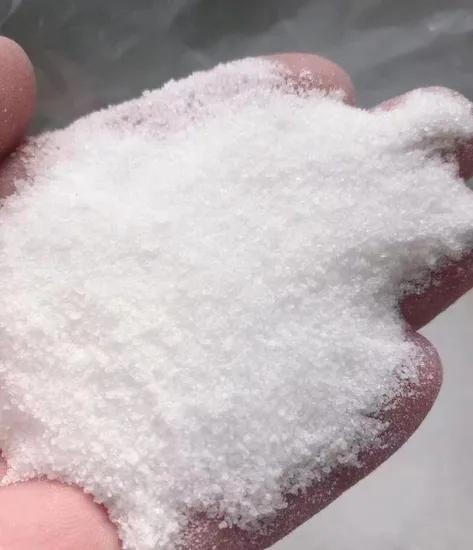
Industrial and household cleaning formulations historically used sodium polyphosphates including SHMP as builders that improve cleaning performance by sequestering the hardness ions that reduce surfactant effectiveness. Phosphate builders in detergents have been restricted or prohibited in many jurisdictions due to the contribution of phosphate to eutrophication of water bodies, and phosphate-free alternatives have largely replaced them in consumer laundry detergents in these markets. Industrial cleaning formulations where phosphate discharge is managed through wastewater treatment may still use SHMP for its excellent builder performance.
Oil and Gas Drilling Applications
Drilling fluid applications in the oil and gas industry use sodium hexametaphosphate to prevent precipitation of calcium carbonate and calcium sulfate scale in the wellbore and downhole equipment. SHMP addition to drilling and completion fluids maintains the solubility of calcium-containing scale-forming ions at concentrations and temperatures that would otherwise cause precipitation and wellbore blockage problems.