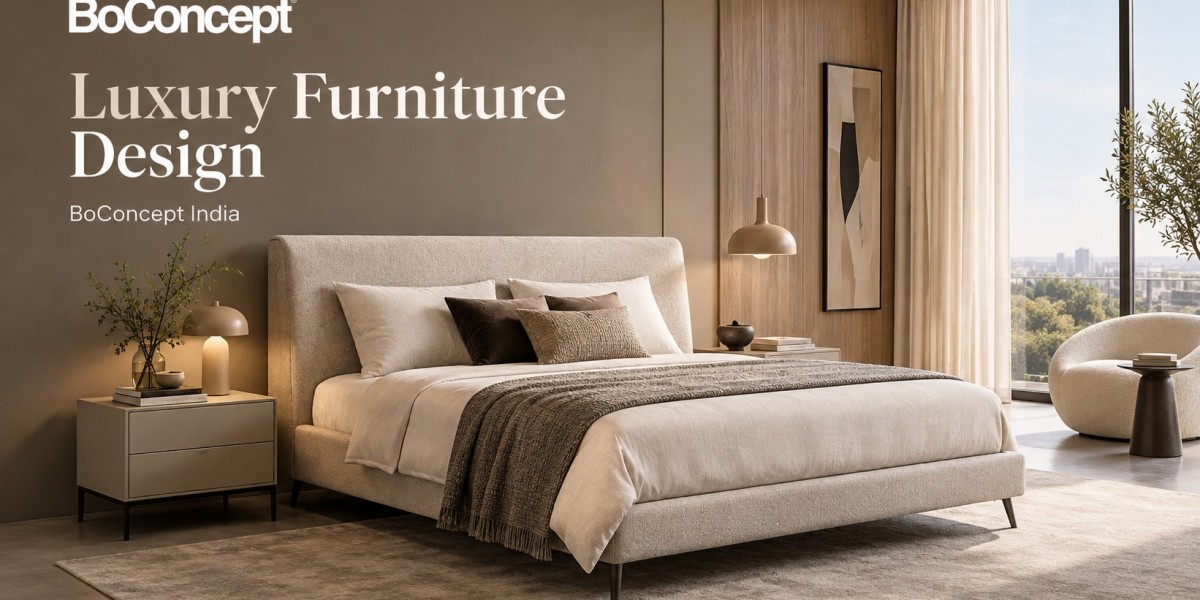

Luxury furniture design isn't just about expensive price tags anymore — at least not in the way most people assume. Walk into any well-designed home today, and you'll notice something subtle: the furniture doesn't shout for attention. It simply fits. That's the real shift happening across Indian interiors right now, especially in metro cities where space is limited but expectations around comfort and aesthetics have grown considerably.
For years, luxury in furniture meant heavy carved wood, ornate detailing, and a certain old-world grandeur. That's not gone entirely, but a newer sensibility has taken over — one rooted in Scandinavian minimalism, functional layouts, and materials that age gracefully instead of just looking good on day one. Clean lines, muted tones, and multi-purpose pieces are replacing the "more is more" approach that once defined premium interiors.
What's interesting is how this change ties into lifestyle rather than just design trends. Apartments in cities like Mumbai, Bangalore, and Delhi NCR are smaller than the bungalows of a previous generation, so furniture now needs to do more with less. A sofa isn't just seating anymore; it's often expected to double as storage or adapt to different room configurations. This practical mindset, borrowed heavily from European design philosophy, has found a genuine audience among Indian homeowners who want their spaces to feel curated without being cluttered.
There's also a growing awareness around craftsmanship and material quality. Buyers today ask questions — where the wood is sourced from, how durable the upholstery fabric is, whether the finish will hold up in humid weather. This shift toward informed buying has pushed several international design houses to bring their catalogues into the Indian market, offering pieces that blend Nordic simplicity with build quality suited for local conditions. It's no longer unusual to see someone in Pune or Hyderabad furnishing their living room with pieces inspired by Danish or Scandinavian studios, something that felt almost inaccessible a decade ago.
Colour palettes have evolved too. Instead of bold, dramatic statement furniture, there's a preference for earthy neutrals, soft greys, and warm wood tones that create a calm, breathable feel indoors. Lighting design now plays an equally important role — layered lighting, statement pendant lamps, and functional task lighting are being treated as essential rather than decorative afterthoughts.
Another noticeable change is how people are approaching furniture shopping itself. It's less impulsive and more research-driven. People browse online catalogues, compare finishes, read about sustainability practices, and even consider how a piece will look in five years, not just on move-in day. This has made premium furniture retailers rethink their online presence, offering detailed product visuals, room-based collections, and styling guides rather than just price listings.
For anyone currently renovating or furnishing a new home in India, the takeaway is fairly simple: good design today is about balance — comfort without excess, elegance without noise, and quality that justifies the investment over time. It's less about following a trend and more about choosing pieces that genuinely improve how a space feels to live in every day.
As Indian consumers become more design-literate, the definition of premium living keeps evolving, and it's fascinating to watch how global influences are being adapted to fit real Indian homes rather than being copy-pasted from elsewhere. That thoughtful blending is what's shaping the next phase of luxury furniture design in the country.