
Introduction
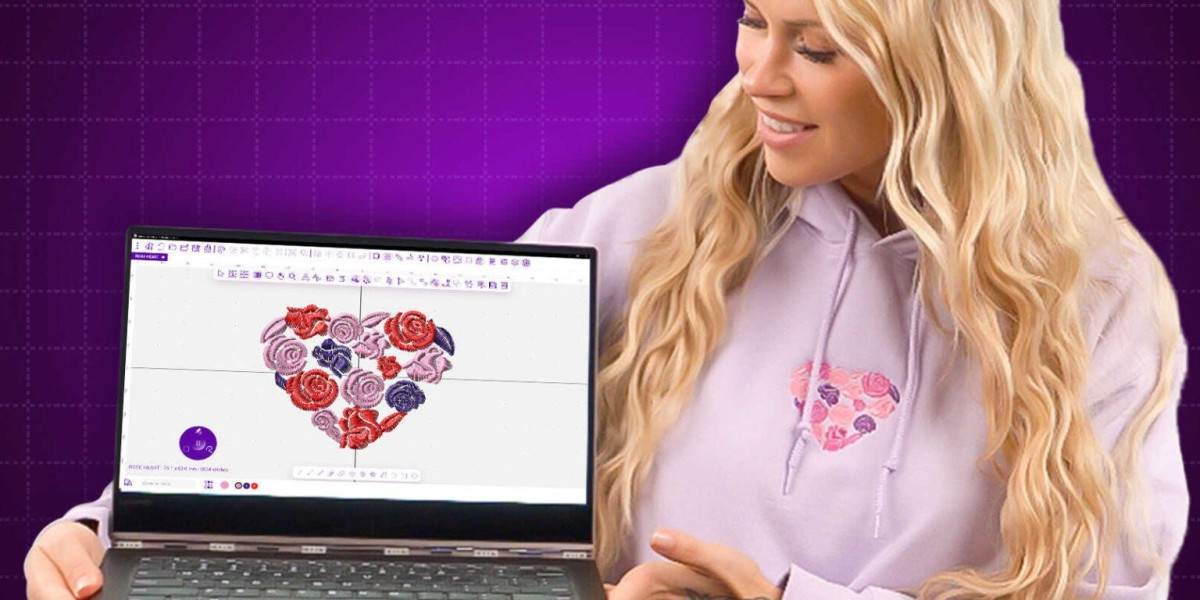
In the world of corporate and team apparel, location is everything. A logo splashed across the back of a jacket makes a loud statement, but a logo placed on the left chest makes a quiet promise. It’s the mark of membership, of professionalism, of a unified identity worn close to the heart. This prime real estate, however, demands a specific kind of craftsmanship. Stitching a large back piece and stitching a perfect left chest emblem are two entirely different challenges. This is where specialized Left Chest Logo Embroidery Digitizing becomes the unsung hero of professional branding. It’s the technical process that ensures your small-scale logo reads clearly, feels comfortable, and projects quality with every stitch. Getting this right isn't just about embroidery; it's about protecting and elevating your brand's image on the most visible canvas of all—your team.
Why the Left Chest? The Psychology of Placement
Before we dive into the technical details, let's understand why this location is so powerful. The left chest sits over the heart, a universal symbol of commitment and authenticity. It's at eye level during a handshake, making it a focal point in introductions. Unlike a large back design, it's subtle and sophisticated, suggesting confidence without shouting. It transforms a standard polo or dress shirt into a uniform, conveying belonging and pride. But this prominence also means there's nowhere to hide. A poorly executed left chest logo—one that puckers, has blurry text, or feels like a stiff patch—doesn't just look bad; it actively undermines the professional message you want to send.
The Unique Challenges of Small-Scale Digitizing
Digitizing for a left chest logo is a discipline of miniaturization and precision. The typical left chest area is between 3 and 4 inches wide, often smaller. This constrained space intensifies every digitizing decision.
The Scale Problem: Intricate details that look fine on a website or a large banner become muddled or simply impossible to stitch at a small size. Fine lines merge, tiny text closes up, and complex gradients turn into a blur.
The Density Dilemma: You need enough stitches for solid coverage, but too many stitches in a small area create a thick, stiff patch that is uncomfortable to wear and can cause the fabric to pucker or "cup."
The Readability Imperative: Above all else, the logo must be legible and recognizable. This is non-negotiable for brand identification.
The Golden Rules of Left Chest Digitizing
Mastering Left Chest Logo Embroidery Digitizing means adhering to a set of proven principles designed to overcome these challenges.
1. Strategic Simplification is Not Compromise
This is the most critical pre-digitizing step. Work with your digitizer to analyze your logo for the small-scale format.
Minimum Text Size: Enforce a rule. Text should generally be no smaller than 0.25 inches (6mm) tall. If your logo has a tagline with smaller font, consider removing it for chest embroidery or using a simplified version of your logo.
Line Weight Minimums: Increase the thickness of any thin lines or strokes. A hairline in a vector file will disappear in embroidery; it needs visual weight to hold its shape.
Space Between Elements: Ensure there is adequate "breathing room" between different parts of the design. Letters or shapes that are too close will stitch together as one blob.
2. Intelligent Stitch Selection & Density
The choice of stitch type dictates the look and feel.
Satin Stitches are Your Friend: For outlines, borders, and text, satin stitches (which lay threads side-by-side) create a smooth, glossy, and professional finish. They are ideal for defining clean edges at a small scale.
Use Fill Stitches Sparingly and Smartly: Large solid areas filled with tatami stitches can become too dense. A skilled digitizer will use lighter, more open fill patterns or even convert some areas to strategically placed satin columns to reduce density while maintaining the logo's form.
The Lighter Touch: The overall stitch density must be optimized for comfort. The goal is the minimum density required for good coverage. This keeps the emblem soft and flexible.
3. Engineering the Unseen: Underlay & Pull Compensation
This is where technical expertise separates a good emblem from a great one.
Precision Underlay: A left chest logo needs a carefully calibrated underlay—often a combination of a center run and a light edge run—to stabilize the knit fabric of a polo or the weave of a dress shirt without adding bulk. This prevents shifting and puckering.
Aggressive Pull Compensation: At a small scale, the pull of the thread has a magnified effect. Circles can become ovals, and squares can shrink. Expert digitizers apply precise pull compensation, slightly oversizing shapes in the digital file so they contract into the perfect size and shape when stitched.
4. Fabric is the Foundation
You cannot digitize in a vacuum. The digitizing must be tailored to the specific garment.
Pique Polo (The Standard): The textured knit requires a robust underlay to prevent sinking into the holes and needs compensation for slight stretch.
Dress Shirt (Smooth Twill or Broadcloth): A smoother, tighter weave needs a lighter touch to avoid visible needle holes or distortion on the fine fabric.
Performance/Stretch Fabric: This is the most challenging. It requires digitizing with stretch in mind—different underlays, altered densities, and compensation that anticipates fabric movement.
The Workflow for a Perfect Left Chest Logo
To ensure success, follow this collaborative process with your digitizer:
Provide Perfect Artwork: Start with a high-resolution vector file (.AI, .EPS, .PDF). This is non-negotiable for crisp, scalable lines.
Specify the Exact Details: Provide the garment brand/style, the exact finished width in inches (e.g., "3.25 inches wide"), and the thread color codes (Pantone or brand-specific).
Review the Digital Proof: A professional service will provide a visual simulation. Use this to check the overall composition and simplification.
Demand a Physical Strike-Off: This step is critical. Insist on seeing the design stitched on a scrap of the actual garment fabric. Check for puckering, stiffness, and readability with your own eyes and hands.
Approve and Produce: Only after the strike-off meets your standard should you approve the file for production.
Common Pitfalls to Avoid
Over-Digitizing: Cramming too many stitches into the design. It makes the logo stiff and prone to causing fabric pull.
Ignoring Fabric: Using the same digitizing file for a polo, a windbreaker, and a cap. Each requires a unique file.
Skipping the Test Stitch: Assuming the on-screen preview is accurate. It is not. The physical sew-out is your only guarantee.
Choosing the Cheapest Digitizer: Left chest work requires nuance. Low-cost, automated services will fail at this scale, costing you more in ruined apparel and damaged brand perception.
Conclusion: The Emblem of Your Standard
Your left chest logo is more than decoration; it's a badge of quality. The process of Left Chest Logo Embroidery Digitizing is the technical safeguard that ensures this badge reflects the standards of your organization. It demands a focus on simplification, a mastery of small-scale stitch physics, and an unwavering commitment to the end result on fabric.
By partnering with a digitizer who understands these specialized principles, you invest in more than a digital file. You invest in a professional image, team cohesion, and a wearable symbol that people are proud to put on. In the subtle art of branding, a perfectly executed left chest logo doesn't just sit on a shirt—it speaks volumes without saying a word. Make sure yours is saying the right thing.