
Missing teeth can affect more than the appearance of your smile. They can also influence chewing, speech, tooth alignment, and confidence. Veneers are commonly used to improve the appearance of existing teeth, but they are generally not designed to replace a completely missing tooth. Understanding the difference between veneers and tooth-replacement options can help you choose an approach that fits your dental needs.
When researching the best veneers for missing teeth, it is important to understand that traditional veneers are bonded to existing tooth structure. If a tooth is completely absent, there is no natural tooth surface for a conventional veneer to cover. In these situations, your dentist may discuss alternatives such as dental implants, bridges, or other restorative solutions depending on your oral health and treatment goals.
What Are Dental Veneers?
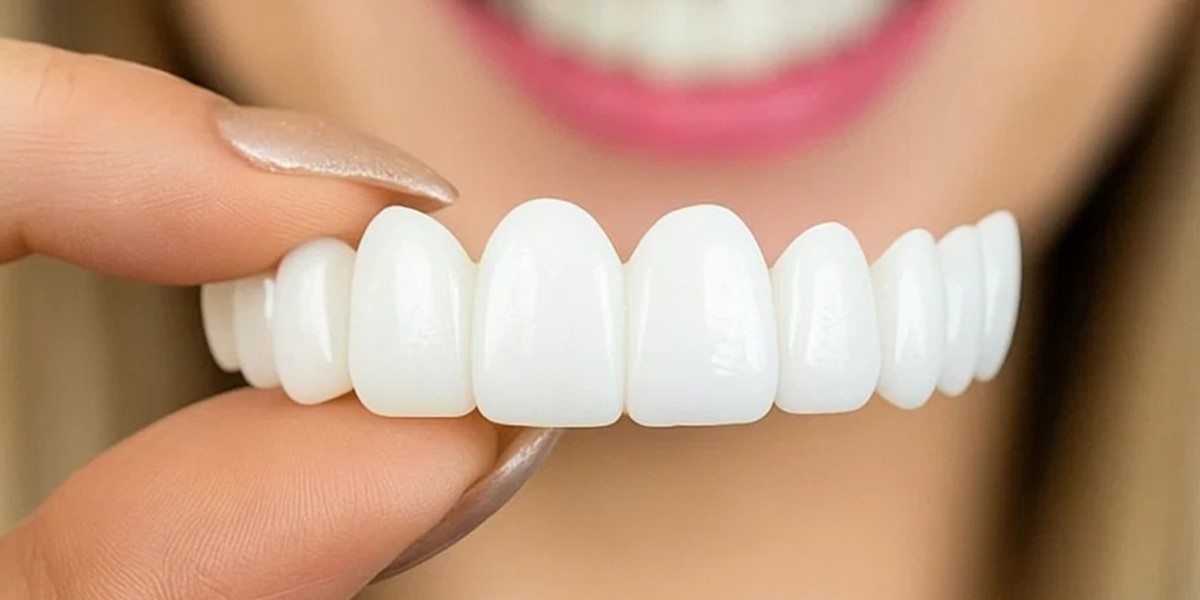
Dental veneers are thin coverings designed to improve the appearance of the visible surfaces of teeth. They can be used to address certain cosmetic concerns, including:
Discolored teeth
Minor chips
Small gaps
Uneven tooth shapes
Mild cosmetic alignment concerns
Worn or irregular-looking teeth
Veneers are generally intended for teeth that are present and have enough suitable structure for the restoration to be bonded securely.
Can Veneers Replace Missing Teeth?
A traditional veneer cannot replace a completely missing tooth. Because a veneer needs an existing tooth surface for support, it is not typically suitable when the entire tooth is absent.
However, veneers may sometimes be part of a larger smile restoration plan. For example, a patient replacing a missing tooth with an implant-supported restoration may also consider veneers for neighboring teeth if cosmetic improvements are desired.
The appropriate approach depends on the number of missing teeth, the condition of surrounding teeth, gum health, bone support, bite, and overall dental goals.
What Are the Alternatives for Missing Teeth?
Several restorative options may be considered when a tooth is missing.
Dental Implants
Dental implants are designed to replace the root portion of a missing tooth. Once appropriate healing and treatment steps are completed, an implant can support a dental crown designed to resemble a natural tooth.
Implant treatment may be considered for patients who have adequate bone support and suitable oral health. Your dentist can determine whether an implant is appropriate after an examination and any necessary diagnostic evaluation.
Dental Bridges
A dental bridge can replace a missing tooth by using neighboring teeth or other supporting structures to hold the replacement tooth in position.
Bridges can restore the appearance of the smile and may help improve chewing function. The appropriate bridge design depends on the location of the missing tooth and the condition of the surrounding teeth.
Partial Dentures
A partial denture can replace one or multiple missing teeth. It may be removable and can be designed to restore both appearance and function.
Partial dentures can be considered when multiple teeth are missing or when other restorative options are not appropriate.
Veneers vs. Crowns for Missing Teeth
Veneers and crowns serve different purposes.
A veneer primarily covers the visible front surface of an existing tooth, while a crown covers a larger portion of a tooth and can provide structural support when significant tooth structure remains.
For a completely missing tooth, neither a traditional veneer nor a conventional crown can simply be placed by itself. A replacement structure, such as an implant or bridge, may be necessary to support the restoration.
What If You Have a Broken Tooth Rather Than a Missing Tooth?
A tooth that appears to be missing may sometimes actually be severely broken or worn down. In such cases, the treatment options can be very different.
Depending on how much healthy tooth structure remains, a dentist may consider:
Dental bonding
A veneer
A crown
Root canal treatment followed by restoration
Other restorative procedures
A dental examination is necessary to determine whether the tooth can be restored or needs to be replaced.
Factors That Influence the Best Treatment
There is no single restoration that is ideal for every patient. Your dentist may consider several factors before recommending treatment.
Number of Missing Teeth
Replacing one missing tooth can involve a different approach from replacing several teeth. The location and number of missing teeth can influence the overall treatment plan.
Location of the Missing Tooth
A front tooth has different cosmetic considerations from a molar. Front-tooth replacement often requires careful attention to shape, shade, symmetry, and appearance.
Condition of Nearby Teeth
The health of neighboring teeth can influence whether a bridge, implant-supported restoration, or another option is appropriate.
Gum Health
Healthy gums are important for many restorative treatments. Gum disease or inflammation may need to be addressed before certain procedures are performed.
Bone Support
Bone volume and density can be important considerations when dental implants are being evaluated. Additional treatment may sometimes be recommended if adequate support is not present.
Bite and Jaw Function
Your bite can affect how restorative teeth function. A dental professional may evaluate how the upper and lower teeth meet before finalizing a restoration.
Can Veneers Improve a Smile After Replacing Missing Teeth?
Yes, in certain treatment plans, veneers can be used on existing teeth while another restoration replaces missing teeth.
For example, a patient may have a missing front tooth and several neighboring teeth with cosmetic concerns. An individualized smile restoration plan could potentially combine an implant-supported crown for the missing tooth with veneers for selected existing teeth.
The goal is to create a balanced appearance while maintaining appropriate dental function.
How to Choose the Right Cosmetic Dental Treatment
Rather than choosing a restoration based solely on appearance, consider the health and function of your entire mouth.
During a consultation, ask:
Can my missing tooth be replaced with an implant?
Would a bridge be appropriate?
Are veneers suitable for my existing teeth?
What condition are my neighboring teeth in?
Do I need gum treatment first?
Do I have enough bone support for an implant?
How will the final restoration match my natural teeth?
What maintenance will the restoration require?
These questions can help you understand your options before beginning treatment.
Caring for Restorations After Treatment
Maintaining good oral hygiene is important regardless of which restoration you receive. Brush regularly, clean between your teeth, and attend recommended dental checkups.
Patients with restorations should also avoid using their teeth to open packages or bite excessively hard objects. If you grind or clench your teeth, discuss this with your dentist because excessive forces can affect dental restorations.
Choosing a Dental Provider
Replacing missing teeth often requires a combination of cosmetic and restorative considerations. Choosing a dental practice that evaluates your overall oral health can help ensure that the treatment plan addresses appearance as well as function.
Beach Cities Dental Group can be considered by patients seeking guidance about veneers, missing teeth, dental crowns, bridges, and other restorative options. A personalized consultation can help determine which approach may be appropriate for your smile.
Frequently Asked Questions
1. Can veneers replace a missing tooth?
Traditional veneers cannot replace a completely missing tooth because they require existing tooth structure for bonding. A dental implant, bridge, or another tooth-replacement option may be more appropriate.
2. What is the best option for replacing one missing tooth?
The appropriate option depends on your oral health, bone support, neighboring teeth, bite, and treatment goals. Dental implants and bridges are among the options a dentist may discuss.
3. Can I get veneers and dental implants together?
In some cases, veneers and implant-supported restorations can be included in the same overall smile treatment plan. The specific combination depends on the condition and appearance of your existing teeth.
4. Are veneers suitable for damaged teeth?
Veneers may be suitable for certain cosmetic concerns when sufficient healthy tooth structure remains. Severely damaged teeth may require a different restoration, such as a crown, depending on the clinical situation.
5. How do I know which treatment is right for my missing tooth?
A dental examination is the best way to determine an appropriate replacement option. Your dentist can evaluate your gums, bone support, surrounding teeth, bite, and overall oral health before recommending treatment.
Final Thoughts
Veneers can transform the appearance of existing teeth, but they are not generally designed to replace teeth that are completely missing. If you have a missing tooth, options such as dental implants, bridges, or partial dentures may be considered depending on your individual circumstances.
If you are also interested in improving the appearance of your surrounding teeth, veneers may potentially be included as part of a broader cosmetic treatment plan. Beach Cities Dental Group can help you understand your options and develop a personalized approach based on your dental health, smile goals, and functional needs.