
Roofing has always been one of the most demanding trades in construction. It requires precision, physical endurance, and strict attention to safety. In the past, much of the roofing process depended heavily on manual labor—cutting materials by hand, shaping panels on-site, and installing components piece by piece. While skilled craftsmanship remains essential, the industry has evolved significantly with the introduction of roofing machines.
Today, roofing machines play a vital role in improving speed, accuracy, and safety on job sites. From residential homes to large commercial and industrial buildings, these machines help contractors deliver consistent, high-quality results while reducing labor strain and installation errors.
What Are Roofing Machines?
Roofing machines are specialized tools and equipment designed to assist in the fabrication, preparation, and installation of roofing materials. They are commonly used for metal roofing systems but are also applicable to other roofing types, depending on the machine.
These machines automate tasks such as cutting, forming, seaming, fastening, and measuring roofing components. By replacing repetitive manual work with mechanical precision, roofing machines improve efficiency and ensure uniform results across an entire project.
Why Roofing Machines Matter in Modern Construction
The demand for faster project timelines, higher safety standards, and consistent quality has made roofing machines essential rather than optional. Contractors using modern equipment can complete projects more efficiently while maintaining a higher level of workmanship.
Roofing machines reduce guesswork, minimize material waste, and help crews handle complex installations with greater confidence. As roofing designs become more advanced, machines ensure that accuracy is maintained from start to finish.
Common Types of Roofing Machines
Roll Forming Machines
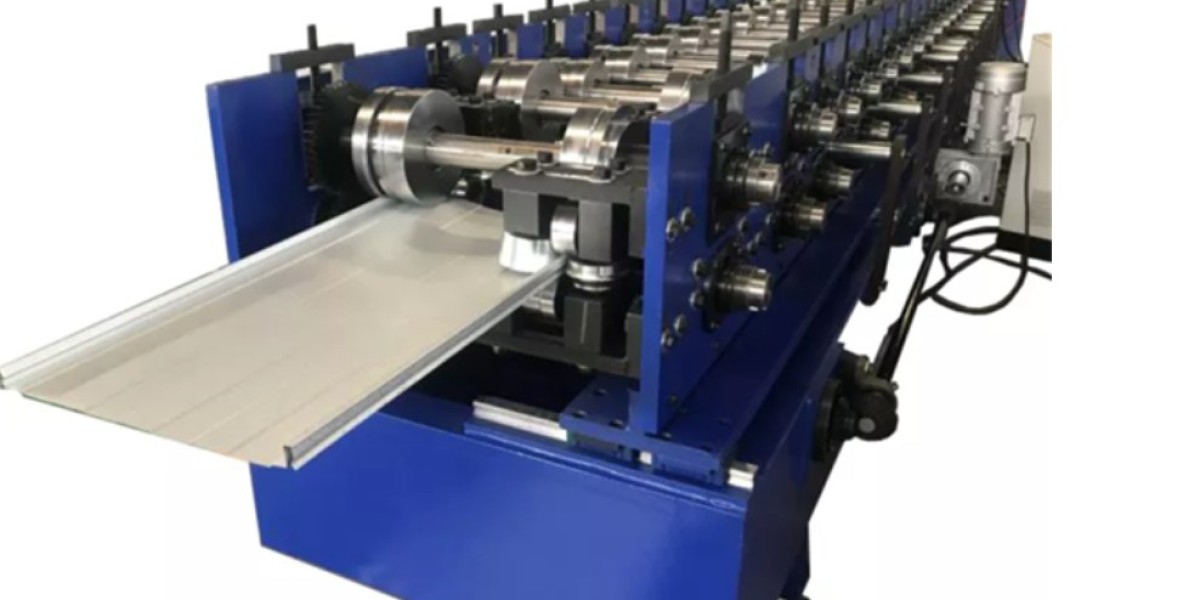
Roll forming machines are widely used in metal roofing. They take flat metal coils and shape them into precise roofing panels, such as standing seam or corrugated profiles. These machines allow contractors to fabricate panels on-site, ensuring exact lengths and reducing transportation challenges.
On-site roll forming also minimizes waste, as panels are produced to match the roof’s exact dimensions rather than relying on pre-cut materials.
Roofing Seamers
Seaming machines are critical for standing seam metal roofs. They mechanically lock panel seams together, creating a tight, weather-resistant seal. Manual seaming can be inconsistent and physically demanding, while machine seaming ensures uniform pressure and alignment across the entire roof.
This precision significantly improves leak resistance and overall roof durability.
Cutting and Trimming Machines
Accurate cutting is essential for proper roofing installation. Roofing cutting machines, including electric shears and saws, allow materials to be cut cleanly and efficiently. Precise cuts ensure proper alignment, reduce installation time, and improve the final appearance of the roof.
Fastening Equipment
Fastening machines such as pneumatic nailers and automated screw guns secure roofing materials quickly and consistently. Proper fastening is crucial for wind resistance and structural stability. Machines ensure fasteners are placed evenly and at the correct depth, reducing the risk of loose panels or leaks.
Measuring and Inspection Tools
Modern roofing projects also rely on digital measuring tools, laser levels, and inspection equipment. These tools help verify alignment, slope, and panel placement before and after installation, preventing costly mistakes and ensuring long-term performance.
Benefits of Using Roofing Machines
Faster Installation
Roofing machines significantly reduce installation time. Tasks that once took days can now be completed in hours. Faster installation allows contractors to complete more projects, meet tight deadlines, and reduce labor costs without compromising quality.
Improved Accuracy
Manual roofing work can lead to uneven cuts, misaligned panels, or inconsistent seams. Roofing machines deliver precise, repeatable results, ensuring every panel fits correctly and every seam is secure.
This accuracy improves the roof’s performance, appearance, and lifespan.
Enhanced Safety
Roofing is inherently risky, involving heights, heavy materials, and repetitive movements. Roofing machines reduce physical strain by automating labor-intensive tasks. This lowers the risk of injuries, fatigue, and on-site accidents, creating a safer working environment for crews.
Reduced Material Waste
Precise fabrication and cutting minimize waste. Materials are used more efficiently, saving money and reducing environmental impact. This is especially valuable on large-scale projects where even small errors can result in significant losses.
Long-Term Cost Savings
Although roofing machines require an upfront investment, they pay for themselves over time. Reduced labor hours, fewer errors, faster completion, and lower maintenance costs all contribute to improved profitability for contractors.
Applications of Roofing Machines
Residential Roofing
Homeowners benefit from roofs installed with machine-assisted precision. Panels fit better, seams are tighter, and installation is completed faster. This results in a durable roof with improved curb appeal and long-term reliability.
Commercial Roofing
Commercial buildings often involve large roof areas that require consistency and speed. Roofing machines ensure uniform installation across expansive surfaces, reducing maintenance needs and extending roof lifespan.
Industrial Facilities
Warehouses, factories, and manufacturing plants require roofing systems that can withstand harsh conditions. Roofing machines help fabricate and install heavy-duty roofing materials accurately, ensuring long-lasting performance.
Renovation and Repair Projects
Roofing machines are equally valuable for renovations and repairs. Damaged sections can be replaced with precisely fabricated components that integrate seamlessly with existing roofing systems.
Choosing the Right Roofing Machine
Selecting the right roofing machine depends on several factors:
· Type of roofing material used
· Size and frequency of projects
· Required precision and output
· Portability and ease of operation
· Availability of training and technical support
Investing in reliable, well-built machines ensures consistent performance and long-term value.
Conclusion
Roofing machines have transformed the roofing industry by delivering speed, safety, and precision that manual methods simply cannot match. They allow contractors to produce high-quality roofing systems efficiently while reducing labor strain and material waste.