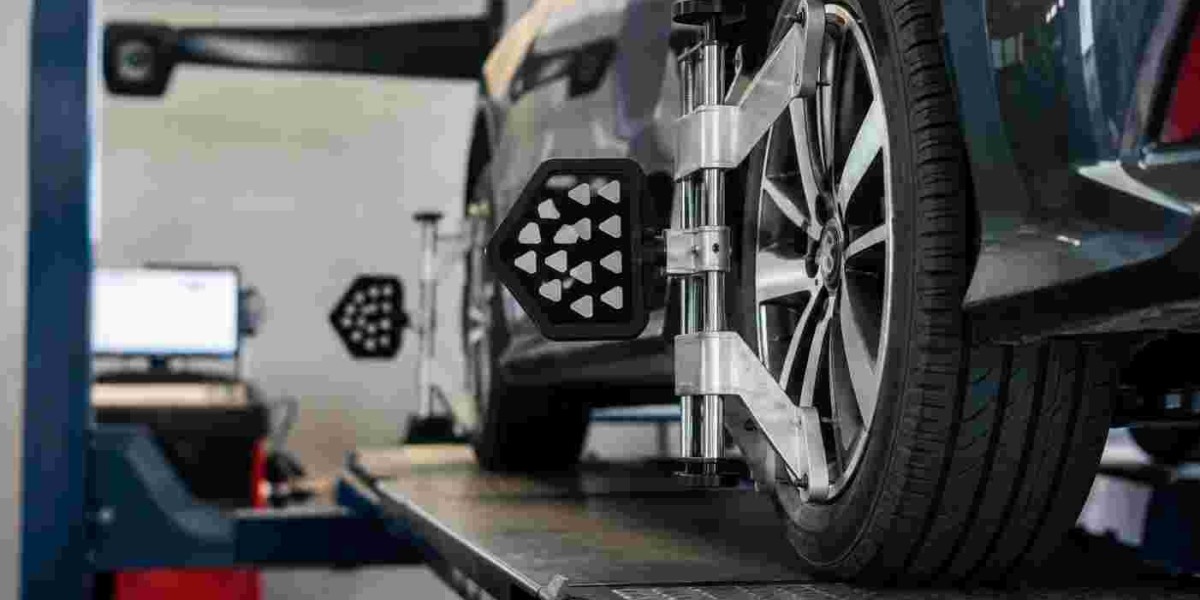

Tire alignment is an important part of keeping a vehicle stable, predictable, and comfortable on the road. When the wheels are not positioned at the correct angles, drivers may notice the vehicle pulling to one side, an off-center steering wheel, or unusual tire wear. These signs can appear slowly, so they are sometimes ignored until the problem becomes more noticeable.
Alignment refers to the way the wheels are positioned in relation to the road and each other. Correct angles help the tires maintain proper contact with the road surface while the vehicle moves forward. When those angles change, the tires may not roll evenly. This can affect steering response and cause certain areas of the tread to wear faster than others.
Uneven tire wear is one of the clearest signs that something may be wrong. A driver might notice that the inside or outside edge of a tire is wearing more quickly than the center. Checking the tread regularly can help identify this pattern. Uneven wear does not always mean alignment is the only problem, but it is a reason to have the vehicle inspected.
A vehicle that pulls left or right on a reasonably straight road can also indicate an alignment concern. However, tire pressure, road conditions, worn suspension components, and other mechanical issues can create similar symptoms. For this reason, it is useful to look at the overall condition of the vehicle rather than assuming alignment is the only cause.
Road impacts are another common factor. Potholes, curbs, rough pavement, and unexpected obstacles can place stress on steering and suspension components. Even when there is no visible damage, a strong impact can sometimes change wheel angles. Drivers who notice new handling problems after hitting a pothole should pay attention to changes in steering and tire wear.
Regular tire care also plays a role in maintaining consistent performance. Checking tire pressure, rotating tires according to the vehicle manufacturer's recommendations, and inspecting tread condition can help reduce unnecessary wear. These simple checks can also make it easier to spot alignment-related symptoms early.
If steering feels different, the vehicle repeatedly drifts, or tire tread begins wearing unevenly, an inspection can help determine what is happening. Addressing the cause early may prevent unnecessary tire wear and help maintain predictable handling. A proper tire alignment service can be useful when wheel angles need to be checked and corrected.