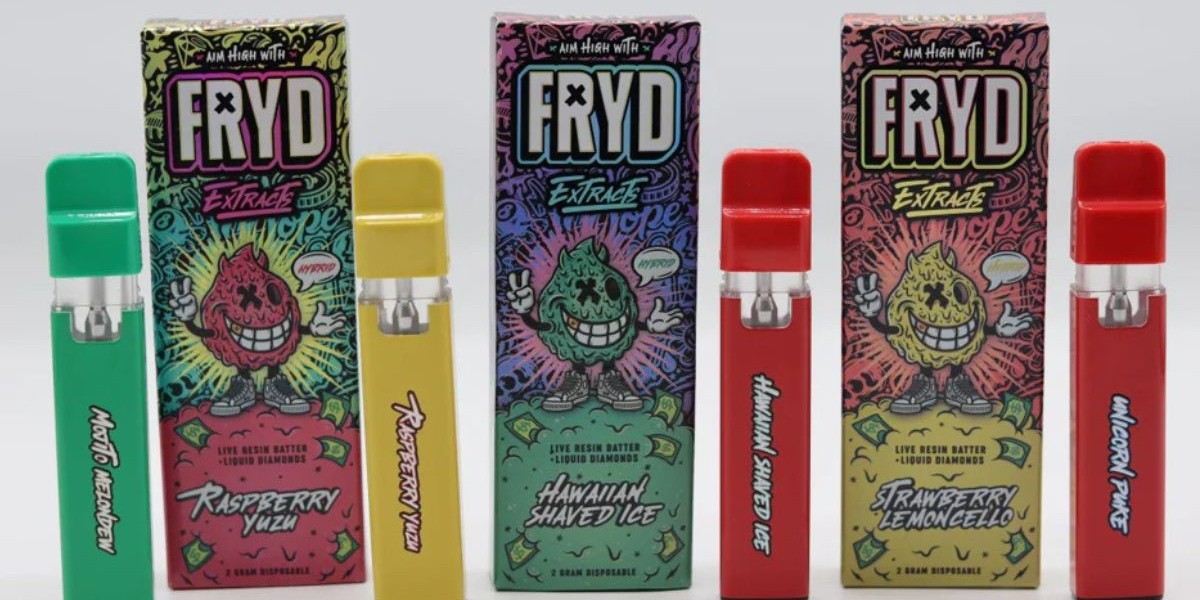

The United Arab Emirates maintains strict regulatory frameworks governing public health, narcotics, and electronic delivery systems. While electronic cigarettes containing nicotine are regulated and permitted under specific local guidelines, products containing tetrahydrocannabinol (THC) or cannabidiol (CBD) fall under an entirely different legal classification. Anyone attempting to search for or order THC vape Dubai options must be aware of the severe legal implications and strict prohibition enforcing these substances.
The Federal Law on Narcotics and Psychotropic Substances
The primary legislative instrument governing controlled substances in the United Arab Emirates is Federal Law No. 30 of 2021 on Combating Narcotics and Psychotropic Substances. Under this framework, cannabis and its derivatives—including concentrated oils, resins, and synthetic extracts commonly used in vaporizers—are classified as prohibited narcotics.
Key legal provisions include:
Strict Prohibitions: The law strictly criminalizes the importation, exportation, manufacture, transport, possession, sale, and personal consumption of controlled substances.
Definition of Derivatives: The restriction applies universally to raw plant material, extracted Delta-9-THC, and e-liquids containing cannabis compounds, regardless of concentration.
Enforcement Mechanisms: Customs authorities, law enforcement agencies, and international transport hubs employ advanced detection technologies to inspect packages, luggage, and postal cargo entering the country.
Because the legal system takes a zero-tolerance stance toward illicit substances, any effort to source, import, or order THC vape Dubai products creates significant exposure to law enforcement intervention, severe judicial penalties, and potential expulsion from the country.
E-Cigarette Regulations vs. Controlled Substance Laws
A common area of confusion for international visitors involves the distinction between standard nicotine vaping products and cannabis-derived e-liquids.
Standard nicotine e-cigarettes and tobacco heating systems are legally authorized in Dubai, provided they meet standard safety guidelines set by the Emirates Authority for Standardization and Metrology (ESMA). Approved products are sold exclusively through licensed retail outlets and carry verified health warnings.
Conversely, e-liquids infused with active cannabinoids are explicitly excluded from these retail frameworks. Attempting to acquire or order THC vape Dubai items through local or international channels violates both anti-narcotics legislation and commercial import rules.
Key Legal Risks and Penalties
The judicial system enforces strict penalties to deter drug offenses and preserve public safety. While statutory reforms in recent years have emphasized rehabilitation for certain first-time personal consumption offenses, legal consequences remain stringent:
Financial Fines: Monetary penalties for possession or attempted importation of illegal extracts start at tens of thousands of UAE dirhams.
Detention and Imprisonment: Unlawful possession, distribution, or transport of controlled substances carries mandatory prison sentences depending on the nature and scale of the violation.
Deportation Measures: Expatriates and foreign visitors convicted of drug-related offenses generally face court-ordered deportation and entry bans upon completing judicial proceedings.
Confiscation: Customs and law enforcement officials immediately seize and destroy any intercepted contraband or unauthorized e-liquid containers.
Importantly, ignorance of local legislation does not exempt individuals from liability. Unofficial online platforms, offshore retailers, or third-party sellers suggesting it is simple or legal to order THC vape Dubai shipments present severe risks, as international mail and freight channels undergo systematic inspection by border control personnel.
Customs Screening and Detection Standards
Dubai's port infrastructure and international airport facilities utilize state-of-the-art screening equipment capable of identifying organic compounds, chemical extracts, and hidden liquids inside electronic hardware.
Postal Inspections: All international packages entering the country pass through automated X-ray scanners and manual inspection protocols.
Laboratory Testing: Devices containing ambiguous liquids or oils are subjected to chemical analysis to identify prohibited active compounds.
Trace Analysis: Law enforcement agencies retain the capability to test minute quantities of liquid contained within vaporizer cartridges.
Attempting to transport or order THC vape Dubai delivery via courier or postal networks routinely results in immediate interception, formal investigation, and referral to judicial authorities.
Responsible Decision-Making for Residents and Travelers
Maintaining compliance with local laws requires diligence and awareness of regional standards. Individuals residing in or visiting the United Arab Emirates should follow clear guidelines to ensure personal safety and legal compliance:
Verify Product Ingredients: Always check e-liquid formulations to ensure they contain zero cannabis derivatives or restricted botanical extracts.
Purchase via Official Channels: Obtain all vaping supplies, hardware, and nicotine liquids from licensed, government-approved retailers within the region.
Avoid Unofficial Marketplaces: Exercise extreme caution regarding online advertisements, peer-to-peer sellers, or offshore websites promising discreet delivery of restricted substances.
Review Customs Guidelines: Prior to traveling, consult official government portals to review updated lists of prohibited items, restricted medications, and unauthorized consumer goods.
By understanding the clear distinction between regulated commercial goods and prohibited narcotics, individuals can make informed decisions, respect regional legal frameworks, and avoid severe regulatory consequences.