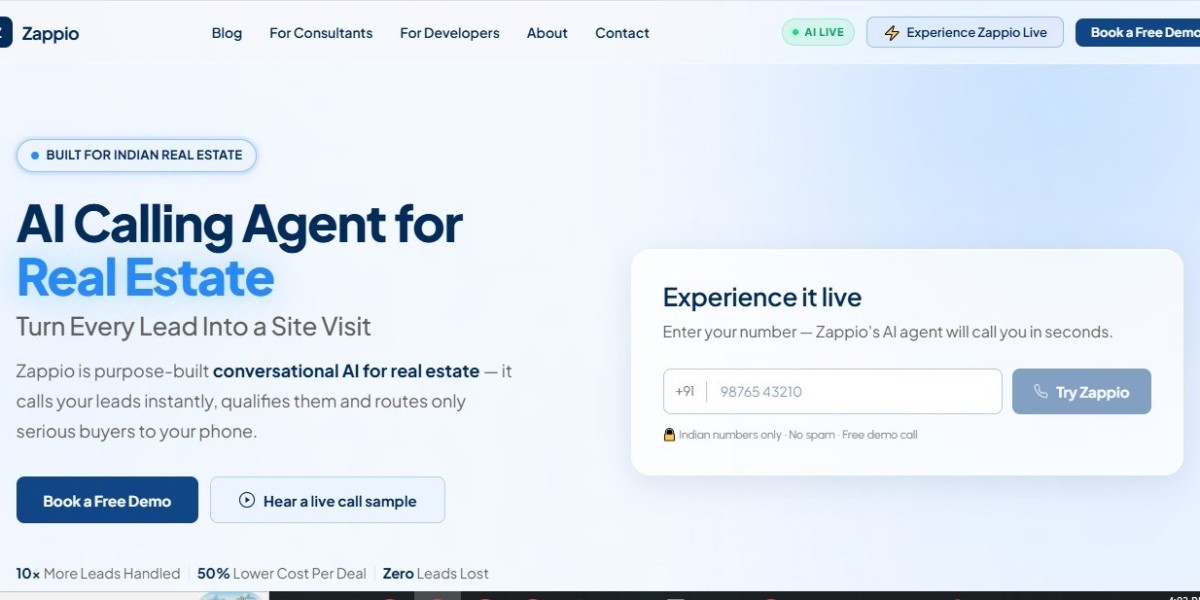

Technology is changing how real estate companies communicate with customers. Property buyers and sellers expect quick answers, timely follow-ups, and convenient service. Traditional phone-based communication can become difficult to manage when an agency receives many inquiries. An AI calling agent for real estate can help businesses automate routine calls, organize leads, and provide faster communication without placing all the workload on human agents.
What Is an AI Calling Agent for Real Estate?
An AI calling agent is an artificial intelligence system that communicates with customers through voice calls. It can listen to spoken questions, understand basic requests, and provide responses based on approved information and business instructions.
For real estate companies, the technology can assist with lead qualification, property inquiries, appointment scheduling, reminders, and follow-up calls. It acts as a virtual communication assistant that can support agents throughout the sales process.
Faster Communication With Potential Clients
Real estate leads can lose interest when they have to wait too long for a response. A fast response can help an agency make a stronger first impression.
An AI calling system can contact a new lead soon after an inquiry is received. It can gather basic information and identify the customer's needs before passing the lead to a human professional.
Automating Lead Qualification
Every real estate lead has different requirements. Some customers may want to buy a home, while others may be interested in commercial property, rentals, or selling an existing property.
An AI calling agent can ask predefined questions to understand the prospect. It may collect information about location, property type, budget, preferred features, and expected timeline. This information helps agents understand the lead before making a personal call.
Managing Property Inquiries
Potential customers often have questions before scheduling a property viewing. They may want to know whether a property is available, what type of property it is, or how they can arrange a visit.
When connected to reliable and updated information, an AI calling agent can answer suitable routine questions. This can reduce the number of repetitive calls handled by real estate employees.
Scheduling Property Appointments
Arranging property viewings can involve multiple calls and messages. An AI calling agent can make this process more convenient by helping customers choose suitable appointment times.
When integrated with a calendarbest conversational ai for real estate or scheduling platform, the system can check available slots and record confirmed appointments. It can also support reminder workflows to help reduce missed viewings.
Automated Lead Follow-Up
Following up consistently is one of the biggest challenges for busy sales teams. Leads can be forgotten when agents are handling property tours, negotiations, and other responsibilities.
An AI calling agent can follow predefined follow-up schedules. It can contact prospects, ask whether they remain interested, and record their responses. Leads that need personal attention can then be sent to human agents.
Improving Real Estate Agent Productivity
Human agents should spend their time on tasks where their skills provide the greatest value. Negotiation, relationship building, property advice, and closing deals all require human judgment.
AI can handle repetitive communication tasks so agents can concentrate on these important activities. This can create a more efficient workflow for both small agencies and larger real estate companies.
CRM and Business System Integration
Connecting an AI calling agent to a CRM can improve the way customer information is managed. Instead of keeping call details in separate systems, the AI can work with existing lead records when supported.
Call outcomes, customer responses, and follow-up requirements can be recorded in the CRM. Agents can then access relevant information before contacting the customer again.
Providing Support Beyond Office Hours
Property searches do not follow a fixed schedule. People may submit inquiries after work, during weekends, or outside traditional office hours.
An AI calling agent can provide automated communication during extended hours. It can collect information and handle suitable questions until a human team member becomes available.
Supporting Marketing and Lead Reactivation
Real estate agencies often have older leads that were interested in properties but did not complete a transaction. Some of these prospects may still be looking for a property months later.
With appropriate consent and compliant communication practices, AI calling can help reconnect with previous leads. The system can ask whether they still have a property requirement and identify prospects who want further assistance.
Keeping Conversations Consistent
Human employees can communicate differently depending on their workload and experience. AI systems can follow predefined scripts, rules, and approved information consistently.
This can help companies maintain a standard communication process. However, businesses should regularly review automated conversations to ensure that responses remain accurate, useful, and aligned with their customer service standards.
Human Agents Remain Essential
AI should be viewed as a support tool rather than a complete replacement for real estate professionals. Property transactions often involve financial decisions, negotiations, legal considerations, and personal preferences.
A well-designed AI calling system should allow customers to reach a human agent when they need detailed advice or personalized assistance. This combination can provide both efficiency and a human touch.
Security and Customer Privacy
Real estate companies handle valuable customer information, so security should be considered when adopting AI calling technology. Phone numbers, names, property requirements, and conversation records should be managed carefully.
Businesses should also understand applicable laws regarding automated calls, customer consent, call recording, and personal data. A responsible approach can help protect both the company and its customers.
Selecting an AI Calling Agent
Before choosing a platform, real estate companies should identify their main goals. They should consider whether they need lead qualification, appointment scheduling, customer support, follow-ups, or a combination of services.
Important features may include natural voice interaction, CRM integration, analytics, customization, scalability, multilingual communication, and human call transfer. Testing the system with real customer scenarios can help businesses make a better decision.
The Future of Real Estate Communication
AI voice technology is likely to play a growing role in real estate. As systems become better at understanding natural speech, businesses may use them for more advanced customer interactions.
Future solutions could combine voice AI with property databases, CRM systems, marketing automation, and intelligent lead scoring. This could create a connected communication process that helps real estate businesses respond to customers more effectively.
Conclusion
An AI calling agent for real estate can help property businesses manage communication more efficiently. It can support lead qualification, follow-ups, property inquiries, appointment scheduling, and routine customer service.
The best results come from combining AI automation with experienced human agents. By using AI for repetitive tasks while keeping people involved in important conversations, real estate companies can improve productivity, respond faster, and create a more organized customer journey.